Does your knee or forehead ache after sujood on a thin prayer mat? The material underneath you during prayer affects more than how it looks. It changes how your joints feel afterward, how the mat holds up over months of daily use, and how it handles Pakistan’s weather across seasons.
This guide walks through the common prayer mat materials so you can pick one that actually holds up to daily prayer, not just one that looks nice rolled up in the corner.
Why Prayer Mat Material Is Worth Thinking About
A prayer mat gets used multiple times a day, often on hard flooring like tile or marble common in Pakistani homes. Over months, a thin or low-quality mat can leave knees and foreheads sore, especially for older family members or anyone who prays for longer stretches.
The right material cushions these pressure points without feeling unstable underfoot during standing and prostration.
Basic Foam Prayer Mats
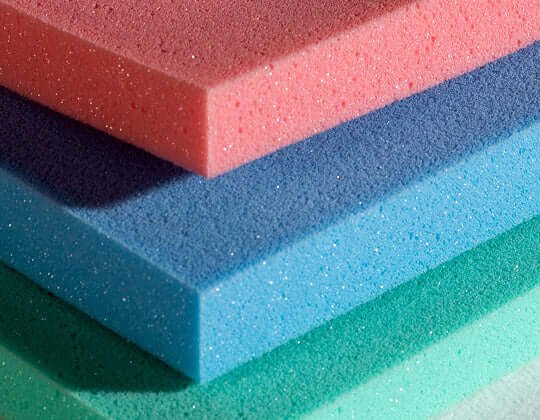
Standard foam prayer mats use a layer of foam padding under a fabric or printed top surface. This gives more cushioning than a flat woven mat alone.
Foam thickness varies, and thinner foam tends to flatten out faster with daily use, especially in high-traffic households with several people praying regularly.
Memory Foam Prayer Mat
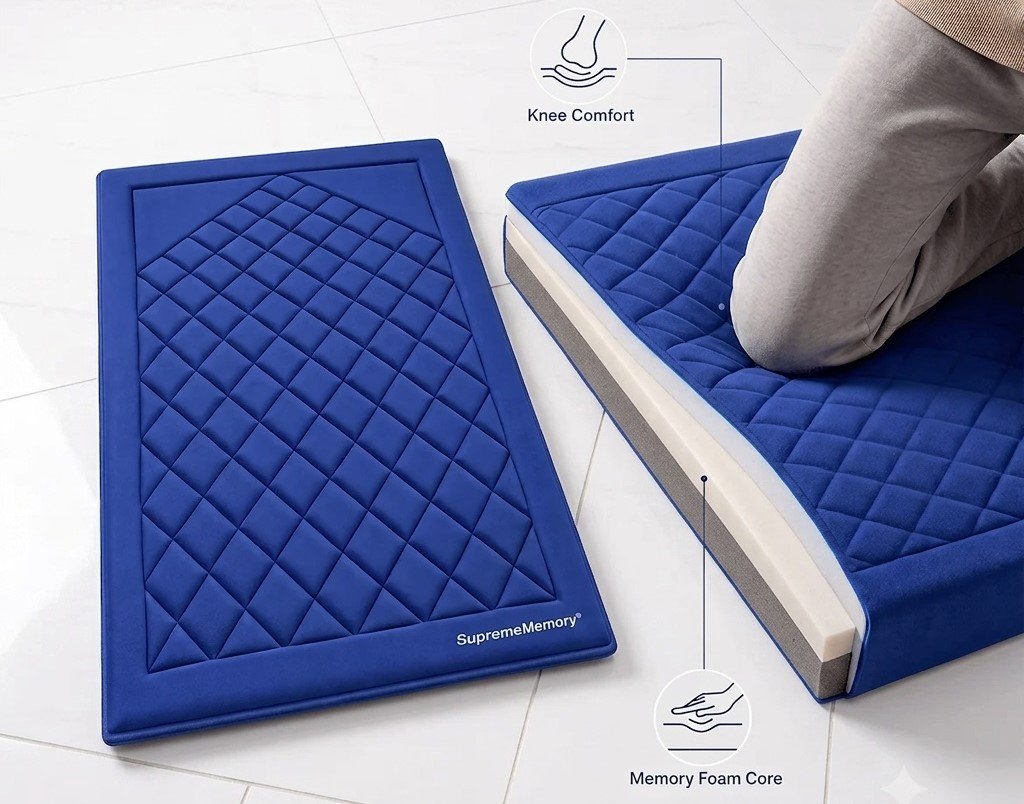
A memory foam prayer mat uses foam that responds to body heat and pressure, slowly molding around the knees and forehead during sujood. This can reduce joint strain compared to basic foam, especially for people who spend more time in prostration or have existing knee discomfort.
Because memory foam holds its shape rather than compressing unevenly, it tends to stay supportive over more months of daily use than lower-density foam options.
Who Benefits Most From Memory Foam
- Elderly family members who need extra knee and joint support
- People who pray directly on tile, marble, or other hard flooring
- Anyone using the mat multiple times daily without a softer carpet underneath
Fabric Prayer Mats
Fabric prayer mats are typically woven from cotton, polyester, or a blend, without a padded foam layer underneath. These are lightweight, easy to fold, and simple to wash by hand or machine.
The trade-off is less cushioning, which matters more on hard flooring than on carpeted rooms where the floor itself already provides some softness.
Velvet Prayer Mats
Velvet prayer mats have a soft, plush surface texture, often paired with a thin padded base. They tend to feel warmer during winter months, though the texture can trap more dust than woven fabric, so regular shaking out or light vacuuming helps keep them clean.
Velvet mats are also popular as gifts, since the surface feel and detailing often stand out compared to simpler fabric designs.
Comparing the Options
| Material | Cushioning | Ease of Cleaning | Best For |
| Basic Foam | Moderate | Easy to wipe or spot clean | General daily use on carpet |
| Memory Foam | High, molds to joints | Requires occasional airing out | Hard flooring, joint sensitivity |
| Fabric | Low | Easy to wash | Travel, layering over carpet |
| Velvet | Moderate | Needs regular dusting | Winter use, gifting |
Matching Material to Your Home Setup
Think through where the mat will actually be used before choosing:
- If prayer happens mostly on tile or marble, a memory foam prayer mat offers the most joint protection.
- If the mat travels with you often, to the office, mosque, or while visiting family, a lightweight fabric option is easier to fold and carry.
- If the room already has thick carpeting, a basic foam or fabric mat may be enough, since the carpet adds its own cushioning.
Caring for Foam and Memory Foam Mats
Keep foam-based mats out of direct, prolonged sunlight, since heat can affect the foam’s structure over time, particularly during hot summer months in many Pakistani cities. Airing the mat out occasionally, rather than keeping it rolled up constantly, also helps maintain its shape.
How Diamond Foam Approaches Prayer Mat Materials
Diamond Foam works with foam-based prayer mats, including memory foam options, built with daily use on Pakistani flooring in mind. If you’re deciding between materials, it helps to think about your flooring type and how often the mat will be used before choosing.
The Right Prayer Mat Material Depends on Your Flooring and How Often You Pray
A prayer mat’s material should match your flooring, prayer frequency, and any joint sensitivity in the household, rather than being chosen on appearance alone. Getting this right means fewer sore knees and a mat that holds up over time.
Frequently Asked Questions
Is memory foam better than regular foam for a prayer mat?
Memory foam generally offers more cushioning and joint support since it molds to pressure points during sujood, while regular foam provides moderate padding without the same contouring effect.
Which prayer mat material is best for hard flooring like tile or marble?
A memory foam prayer mat is usually the better choice for hard flooring, since it provides more cushioning for the knees and forehead than fabric or basic foam alone.
Are velvet prayer mats harder to clean than fabric ones?
Velvet mats tend to collect more dust in their plush texture and need regular shaking out or light vacuuming, while fabric mats are generally easier to wash directly.
Can a fabric prayer mat be used on hard floors?
A fabric prayer mat can be used on hard flooring, though it offers less cushioning than foam or memory foam options, so it may feel less supportive during longer prayers.
How often should a foam prayer mat be replaced?
A foam prayer mat should be replaced once the padding flattens noticeably or no longer springs back after use, since this means it has lost most of its cushioning ability.