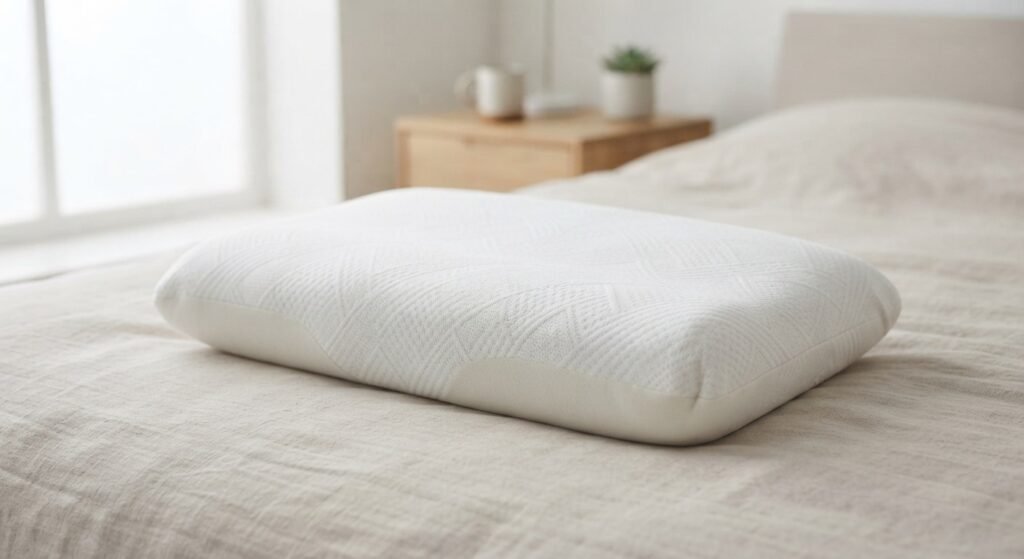
Waking up with a stiff neck or a dull headache more mornings than not? Your pillow might be the reason, not your mattress. A memory foam pillow adjusts to the shape of your head and neck instead of pushing back against them. This one difference changes how your spine rests through the night, and it’s why so many people switch from regular pillows once they try one.
What Makes Memory Foam Different From Regular Pillows
Regular pillows, whether filled with fiber or feathers, lose their shape within a few hours of use. You end up fluffing them constantly or folding them in half for extra height.
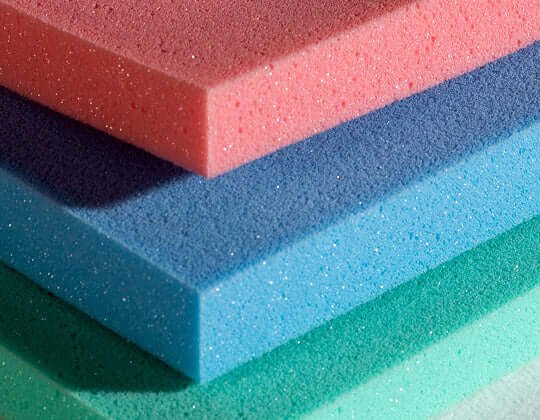
Memory foam is a temperature-sensitive material that softens slightly with body heat and molds around the head and neck. When you shift positions, it slowly regains its original shape instead of staying flattened. This gives more consistent support throughout the night, even as you move around.
Key Benefits of a Memory Foam Pillow
1. Better Neck and Spine Alignment
The main job of a pillow is to keep your neck in line with your spine. A memory foam pillow fills the gap between your neck and the mattress instead of leaving it empty or overstuffed.
This reduces the strain that builds up in the neck and upper back overnight, which is often the real cause of morning stiffness.
2. Pressure Relief Around the Head and Ears
Because memory foam distributes weight evenly, it reduces pressure points around the ears and jaw. This matters if you sleep on your side and often wake up with a sore ear or a tender spot on your cheek.
3. Reduced Tossing and Turning
A pillow that keeps its shape means less need to adjust it repeatedly during the night. Many people report falling into deeper sleep because they don’t wake up to reposition a flat or lumpy pillow.
4. Durability Over Time
Ball fiber pillows usually go flat within a year or two, especially in humid weather common across many parts of Pakistan. Memory foam holds its structure for much longer, which means fewer replacements and better long-term value.
5. Helpful for Allergy-Prone Sleepers
Dense memory foam doesn’t trap dust mites as easily as loose fiber fill. For households dealing with seasonal allergies or dusty environments, this can mean fewer sniffles at night.
Choosing the Right Memory Foam Pillow for Your Sleep Position
Not every memory foam pillow suits every sleeper. The right choice depends on how you naturally rest at night.
Back Sleepers
Back sleepers need medium loft and firmness. A pillow that’s too high pushes the chin toward the chest, while one that’s too flat lets the head tilt back. A contoured memory foam pillow with a slight neck curve works well here, cradling the neck’s natural arch.
Side Sleepers
Side sleepers usually need a higher, firmer pillow to fill the larger gap between the shoulder and head. A memory foam pillow with extra height on the sides, or a gusseted design, keeps the spine straight instead of letting the head dip downward.
Stomach Sleepers
This position puts the most strain on the neck, so a low-loft, soft memory foam pillow is best. Anything too thick forces the neck into an unnatural twist. Some stomach sleepers do better with no pillow under the head at all, using a thin one only under the stomach.
Combination Sleepers
If you switch positions throughout the night, look for a medium-firm memory foam pillow with a fairly standard shape rather than a deeply contoured one. It should adapt reasonably well whether you’re on your back or side.
Memory Foam vs. Cotton and Fiber Pillows: A Quick Comparison
| Feature | Memory Foam | Cotton/Fiber |
| Shape retention | Holds shape for years | Flattens within months |
| Neck support | Consistent, contouring | Inconsistent, needs fluffing |
| Heat retention | Can feel warmer | Stays cooler |
| Weight | Heavier | Lighter |
| Price range | Slightly higher upfront | Lower upfront cost |
If heat retention is a concern, especially during hot summer months, look for memory foam pillows with ventilated or gel-infused designs that allow better airflow.
Caring for Your Memory Foam Pillow
- Use a removable, washable pillowcase to protect the foam itself, since the foam core generally shouldn’t be machine washed.
- Air it out in a shaded, ventilated spot occasionally rather than direct sunlight, which can weaken the foam over time.
- Avoid folding or compressing it for storage, as this can affect how well it springs back.
- Replace it every few years, even memory foam wears down eventually.
Diamond Foam has spent years working with foam materials for mattresses and pillows, which is why we pay close attention to the fit between foam density, loft, and sleep position in how these pillows are designed. A pillow that matches your actual sleep habits does more for your mornings than any expensive skincare routine or supplement.
Getting your neck support right is one of the simplest, most overlooked upgrades to a better night’s sleep.
Read More: Pillow Buying Guide
Frequently Asked Questions
Is a memory foam pillow good for neck pain?
Yes, memory foam pillows are often recommended for neck pain because they contour to the neck’s curve and keep the spine aligned, reducing the strain that causes stiffness and soreness.
Do memory foam pillows sleep hot?
Traditional memory foam can retain more heat than fiber pillows because it’s denser. Gel-infused or ventilated memory foam pillows are designed to address this and sleep noticeably cooler.
How long does a memory foam pillow last?
With proper care, a good quality memory foam pillow typically lasts two to three years longer than a standard fiber pillow before it needs replacing, since the foam resists flattening.
Can side sleepers use a memory foam pillow?
Yes, side sleepers often benefit the most from memory foam, especially firmer, higher-loft designs that fill the gap between the shoulder and head to keep the neck straight.
Is memory foam better than a regular pillow?
It depends on your needs. Memory foam offers better support, shape retention, and pressure relief, while regular pillows are lighter and often cost less upfront. For anyone dealing with neck pain or restless sleep, memory foam is usually the more effective choice.