Struggling to make your bedroom feel spacious, balanced, and easy to use? The way you place your bed can change how the entire room works. A good bedroom layout starts with the bed because it is usually the largest piece of home furniture. Once its position is right, you can arrange wardrobes, nightstands, dressers, chairs, and other pieces around it without blocking movement or making the room feel crowded.
Whether you are furnishing a compact apartment or a larger master bedroom, these practical layout ideas can help you create a functional space.
Start With the Bed as the Main Anchor
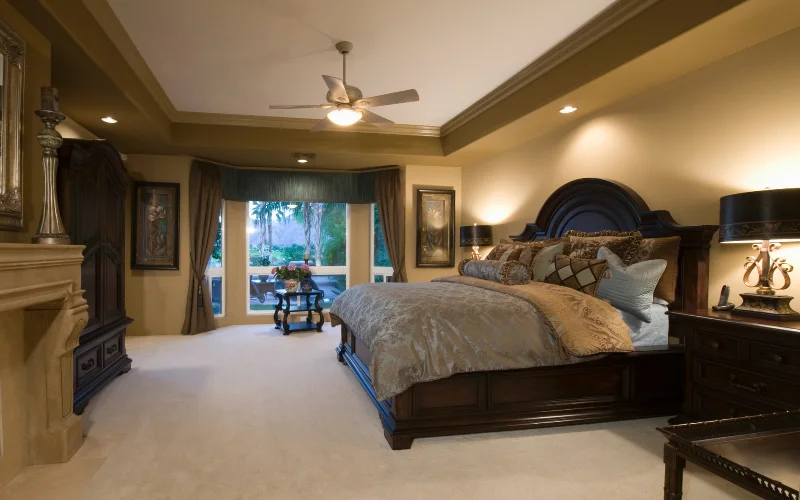
Place the bed first rather than trying to fit it in after arranging other furniture. In most bedrooms, positioning the headboard against the longest solid wall creates a natural focal point.
Ideally, leave enough space on both sides of the bed for easy access. This also gives you room for a nightstand or small side table on either side.
Before moving the furniture, measure:
- The bedroom’s length and width
- Bed dimensions
- Door and window positions
- Wardrobe and dresser depth
- Available walking space
These measurements can prevent you from choosing a layout that looks good on paper but feels difficult to use.
Leave Enough Walking Space
A bedroom should allow you to move comfortably between the bed, door, wardrobe, and other frequently used areas.
Try to keep the main walking paths clear. Avoid placing a large bench, chair, or table where it interrupts the route from the entrance to the bed or wardrobe.
For smaller rooms, you may need to prioritize the furniture you use most. A compact nightstand can work better than two large bedside tables, while a wall-mounted mirror can save floor space.
Create Balance With Bedside Furniture
A balanced arrangement does not necessarily mean every item has to match.
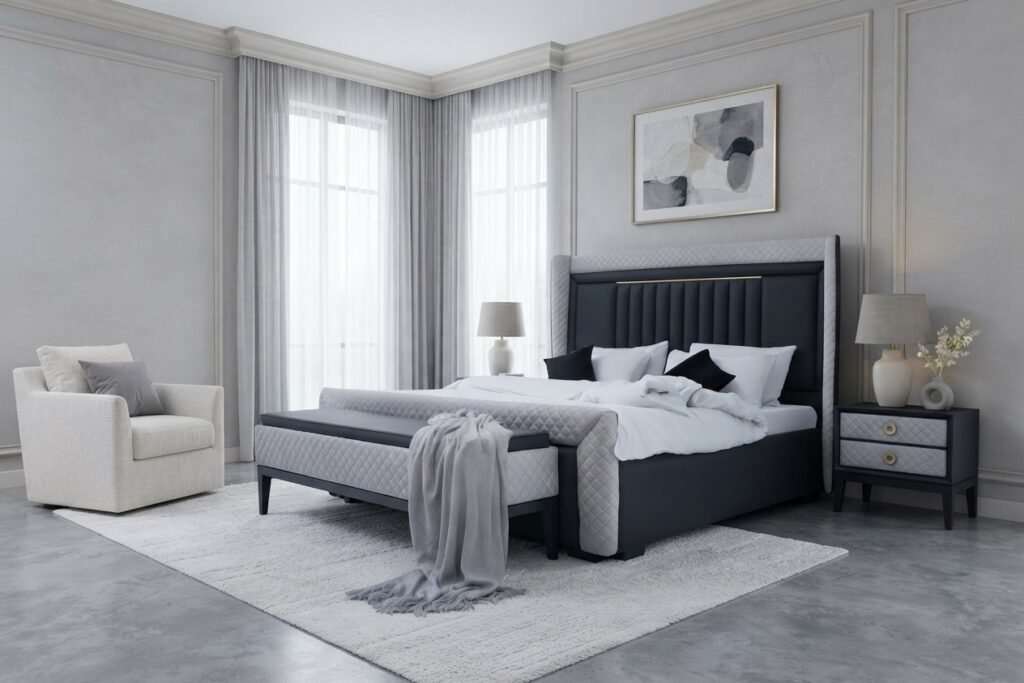
Two similar nightstands can create a symmetrical look around the bed. If the room is small, however, you can use one nightstand and balance the other side with a floor lamp, plant, or compact accent piece.
When selecting a bed set, consider how all the pieces will work together. A coordinated headboard, side tables, dresser, and storage unit can make planning easier, but you should still leave enough open space around each item.
Position the Wardrobe Carefully
The wardrobe needs enough clearance for its doors or drawers to open fully. Avoid placing it so close to the bed that getting dressed becomes difficult.
For bedrooms with limited floor space, sliding-door wardrobes can be useful because they do not require the same front clearance as hinged doors.
If you are considering modern bed designs for a Pakistani home, look at the entire room rather than the bed alone. A visually attractive bed can still overwhelm a small bedroom if its proportions do not suit the available space.
Use the Wall Opposite the Bed Wisely
The wall opposite the bed is often a useful location for a dresser, TV unit, mirror, or low storage cabinet.
Keep the furniture relatively low if you want the room to feel more open. A large, tall cabinet opposite the bed can make a compact bedroom appear more enclosed.
You can also leave this wall mostly open and use artwork or a simple mirror to maintain a lighter visual appearance.
Adapt the Layout to Your Bedroom Size
Small Bedroom
For a compact room, place the bed against the most suitable solid wall and keep the remaining furniture minimal. Choose slim nightstands and storage pieces that use vertical space without taking up too much floor area.
Medium Bedroom
A medium-sized room gives you more flexibility. You can usually accommodate two nightstands, a wardrobe, and a dresser while maintaining clear walking paths.
Large Bedroom
With more floor space, avoid spreading furniture too far apart. Use a rug, bench, accent chair, or small seating area to create defined zones without making the room feel disconnected.
Consider Windows, Doors, and Natural Light
Do not arrange furniture without considering the room’s existing features.
Keep doors and windows accessible. A bed should not prevent curtains from opening, while a wardrobe should not block a window or make ventilation difficult.
In warmer parts of Pakistan, natural airflow can also be an important consideration. Keep major pathways and ventilation points reasonably clear instead of filling every available corner with furniture.
Match Furniture Proportions
The size of your furniture should relate to the size of your bed and bedroom.
For example, a large upholstered bed paired with tiny bedside tables may look unbalanced. Likewise, an oversized dresser can dominate a compact room.
When comparing modern bed designs in Pakistan, pay attention to the complete dimensions, including the headboard and surrounding frame. The listed mattress size alone does not always represent the total floor area occupied by the bed.
Keep the Layout Functional Before Decorative
A bedroom should look good, but daily usability comes first.
Before finalizing the arrangement, check whether you can:
- Get into and out of bed easily.
- Open wardrobe and dresser doors completely.
- Walk between the entrance and main furniture pieces.
- Reach bedside items without stretching.
- Open windows and curtains without obstruction.
- Clean around and underneath the furniture.
Once these practical points work, you can add decorative elements such as rugs, cushions, lamps, artwork, and plants.
A Simple Formula for a Well-Planned Bedroom
The easiest approach is to work from large furniture to small accessories.
Bed → wardrobe → dresser/storage → nightstands → seating → lighting → décor
This order helps you protect walking space and avoid overcrowding. It also makes it easier to see which pieces you actually need before buying additional furniture.
Choose a Layout That Works With Your Space
There is no single arrangement that works for every bedroom. Start with the bed, measure your available space, keep movement paths open, and select furniture that matches the room’s proportions.
Whether you prefer clean contemporary furniture or more traditional bedroom arrangements, thoughtful placement can make even a modest room feel organized and easier to live in. The right layout is less about filling every corner and more about giving each piece a clear purpose.
Also Read: Eco-Friendly Furniture Choices: Creating a Sustainable Home
Frequently Asked Questions
- Where should the bed be placed in a bedroom?
The bed is usually best placed with its headboard against a solid wall where it does not block doors, windows, or major walking paths. The final position should depend on the room’s shape and furniture requirements.
- How much space should be left around a bed?
Leave enough open space to walk comfortably around the accessible sides of the bed and to open nearby furniture. The required space depends on the bed size, room dimensions, and the furniture placed around it.
- Should a bed be centered on the wall?
Centering the bed can create a balanced appearance, especially when there is equal space for bedside furniture. However, an off-center position may work better in a small or unusually shaped bedroom.
- Can a wardrobe be placed beside the bed?
Yes, but make sure there is sufficient clearance to open its doors or drawers and access the bed. Sliding-door wardrobes can be useful where floor space is limited.
- How can I make a small bedroom look less crowded?
Use appropriately sized furniture, keep walking paths open, choose slim bedside tables, and avoid filling every wall. Furniture with built-in storage can also reduce the need for multiple separate pieces.