Have you ever woken up in the middle of the night feeling sticky, overheated, and desperately searching for the cool side of the pillow?
Waking up drenched in sweat is frustrating, and it completely ruins the restorative sleep your body needs. For many people, the culprit isn’t the bedroom temperature or heavy blankets; it is the bed itself. Traditional memory foam and dense synthetic materials trap body heat, creating a warm microclimate right beneath you.
Understanding how different materials interact with your body heat is the first step toward a cooler, more comfortable night. Upgrading to a specialized cooling mattress can completely transform your sleep quality, especially during warm summer nights.
Why Traditional Mattresses Trap Heat
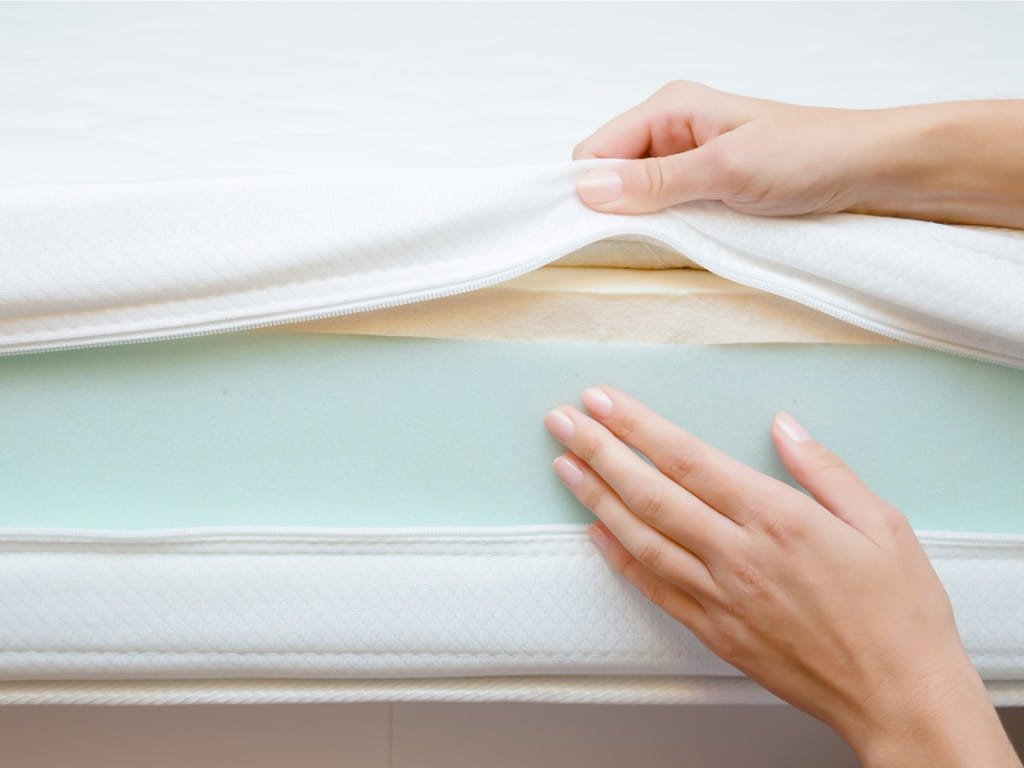
To understand why you overheat, it helps to look at how conventional sleep surfaces are built. Traditional synthetic foam is dense and compact. When you lie down, your body warmth sinks into the surface, but the tight cellular structure prevents air from circulating freely.
Instead of dissipating away from your body, thermal energy gets trapped in the layers beneath you. Over several hours, the temperature builds up significantly. If your bedroom lacks heavy air conditioning or if local power outages disrupt your fan, a non-breathable bed acts like an insulating blanket, holding onto your body heat all night long.
Key Materials That Keep You Cool
When shopping for a new sleep setup, the internal construction makes all the difference. Manufacturers use specific technologies to promote airflow and regulate temperature.
Open-Cell Structures and Breathable Foams
Standard foam absorbs heat, but modern manufacturing introduces open-cell designs. These microscopic pathways let air flow through the material as you shift positions. This continuous ventilation prevents heat from pooling around your body.
Advanced Gel Infusions
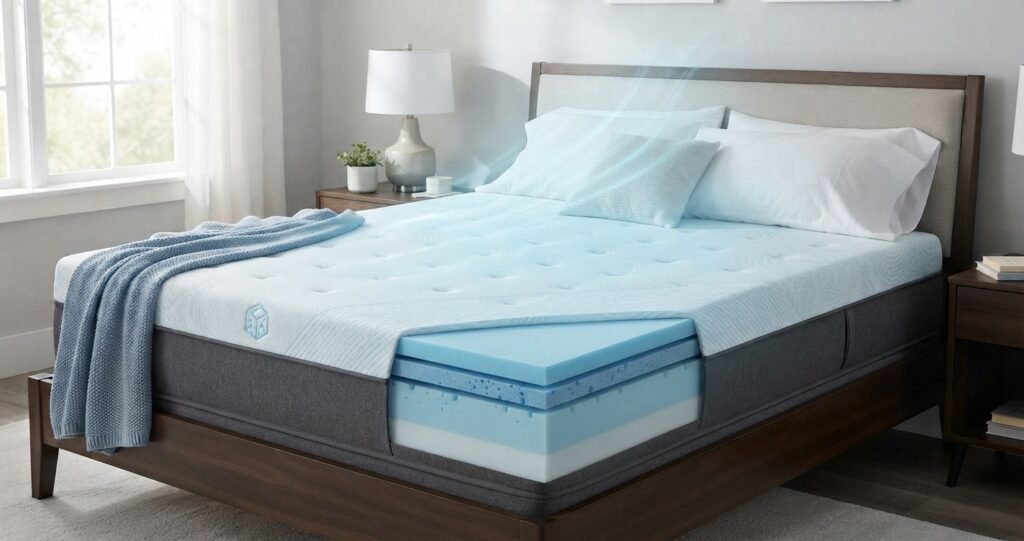
Advanced cooling solutions often integrate gel particles directly into the core layers. Gel helps conduct thermal energy away from your body rather than absorbing it. Advanced options, such as Supreme Gel Cool technology, actively disperse trapped warmth to maintain a neutral surface temperature.
Pocket Springs and Open Airflow
If you prefer a supportive, responsive feel, pocket spring construction offers exceptional natural ventilation. Because individual springs are encased in separate fabric pockets rather than solid foam blocks, space remains inside the core. This open architecture lets air circulate freely with every movement.
Also Read: Gel Foam Mattresses: How Cooling Technology Really Works
How Climate and Room Design Affect Your Sleep Temperature
Your environment plays a massive role in how hot you feel after hours in bed. High humidity levels common across local regions prevent sweat from evaporating naturally, making a non-breathable surface feel even more stifling.
Here are a few ways to optimize your sleeping environment alongside your choice of bed:
- Bedding Choices: Swap out synthetic polyester sheets for breathable natural fibers like 100% cotton or lightweight linen.
- Bed Frame Clearance: Use a slatted bed frame rather than a solid platform base to allow air to circulate underneath the mattress.
- Room Ventilation: Keep interior doors open or use circulating fans to prevent warm air from stagnating near the floor.
What to Look for When Choosing a Cooling Mattress
When evaluating your options, look past marketing claims and examine the actual build specifications. A truly breathable bed combines high-airflow support cores with temperature-regulating surface layers.
Prioritize models that emphasize active ventilation rather than passive cooling. If you tend to overheat easily, a hybrid model featuring supportive pocket springs paired with an open-cell, gel-infused top layer provides the ideal balance of pressure relief and thermal regulation.
Investing in a Cooling Mattress Transforms Your Sleep Health
Experiencing hot nights in bed is not an inevitable part of summer or warm climates, but rather a direct result of improper material choices beneath your body. When you lie down on a surface that traps thermal energy, your heart rate remains elevated as your core attempts to cool itself down, leading to fragmented, restless sleep cycles.
By prioritizing open-cell foams, gel-infused cooling layers, or breathable pocket spring support cores, you actively create an environment that encourages continuous airflow and heat dissipation. Combining these material innovations with breathable natural bedding and properly elevated frame design ensures your sleep setup works with your body, not against it. Finding the best mattress for hot sleepers ultimately comes down to understanding these structural features and choosing a design built specifically to regulate temperature for uninterrupted, peaceful rest.
Frequently Asked Questions
Why do memory foam beds make me sweat?
Traditional memory foam has a dense structure that conforms closely to your body shape. While this offers great pressure relief, it restricts airflow and traps your natural body heat, causing temperatures to rise throughout the night.
Do gel-infused layers actually work?
Yes, gel infusions help dissipate thermal energy away from your body more effectively than standard synthetic foam. They provide a cooler initial feel and help regulate temperature over extended periods.
Are spring beds cooler than foam options?
Generally, pocket spring models offer better natural airflow because empty space inside the spring core allows air to circulate freely. Foam-dense builds tend to retain more warmth unless specifically engineered with ventilation channels.
How can I make my current bed sleep cooler without buying a new one?
You can add a breathable mattress topper made of natural latex or open-cell foam, switch to lightweight cotton sheets, and ensure your bed frame allows airflow from underneath.
What is the best firmness level for a cool night’s rest?
Firmness does not directly control temperature, but sinking too deeply into a soft, unsupportive foam bed increases body contact area, which traps more heat. A medium-firm option often provides an ideal balance of support and minimal surface contact.