Feeling joint pain every time you pray? Daily prayer brings peace to the heart, but it can also put pressure on the knees, ankles, wrists, and lower back. This is especially true for older adults, people with joint pain, or anyone who spends long hours standing during the day. A well-designed prayer mat can make a noticeable difference in comfort without affecting the spiritual experience of salah.
Today, two popular choices stand out: memory foam and orthopedic prayer mats. Both promise better cushioning, but they are built differently and suit different needs.
If you are trying to choose the right janamaz, this guide explains how each option works, who should use it, and which one provides better joint support.
The Importance of Joint Support While Praying
Every prayer includes standing, bowing, prostrating, and sitting. These repeated movements place weight on several joints.
The pressure is often felt on:
- Knees during sujood
- Ankles while sitting
- Wrists when supporting the body
- Lower back during movement
- Feet while standing
A standard jai namaz made with thin fabric may be enough for healthy individuals. However, people with arthritis, knee pain, or back discomfort often benefit from extra cushioning.
That is where modern prayer mats come into the picture.
What is a Memory Foam Prayer Mat?
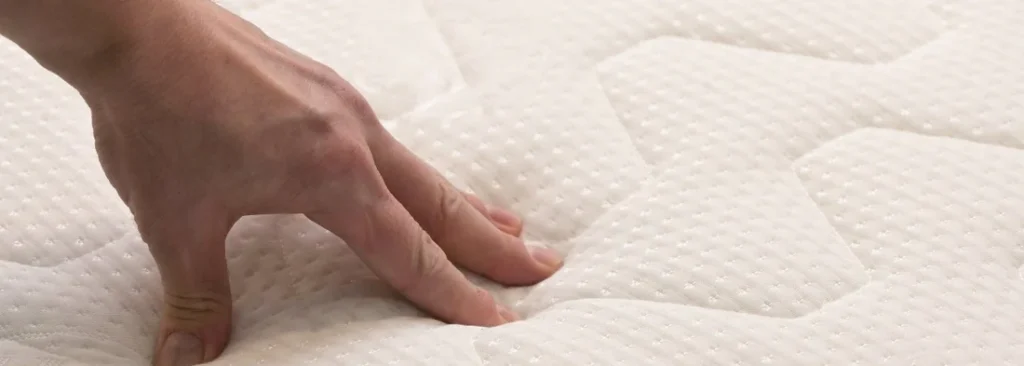
A memory foam prayer mat contains a layer of soft foam that responds to body weight. Instead of feeling flat, the foam gently adjusts to the shape of your knees, feet, and hands.
When pressure is removed, it slowly returns to its original form.
This creates a softer praying surface without making the mat unstable.
Common features include:
- Soft cushioning
- Pressure relief
- Comfortable kneeling
- Better weight distribution
- Smooth fabric surface
Many people prefer this style because it feels comfortable from the very first prayer.
What is an Orthopedic Prayer Mat?
An orthopedic prayer mat is designed mainly for support rather than softness.
Instead of focusing only on comfort, these mats use high-density foam or layered construction to maintain proper body alignment during prayer.
Some orthopedic designs include:
- Firm support
- Thick cushioning
- Anti-slip backing
- Multi-layer construction
- Durable materials
Their purpose is to reduce strain while keeping the body well supported throughout every prayer position.
Memory Foam vs. Orthopedic Prayer Mats
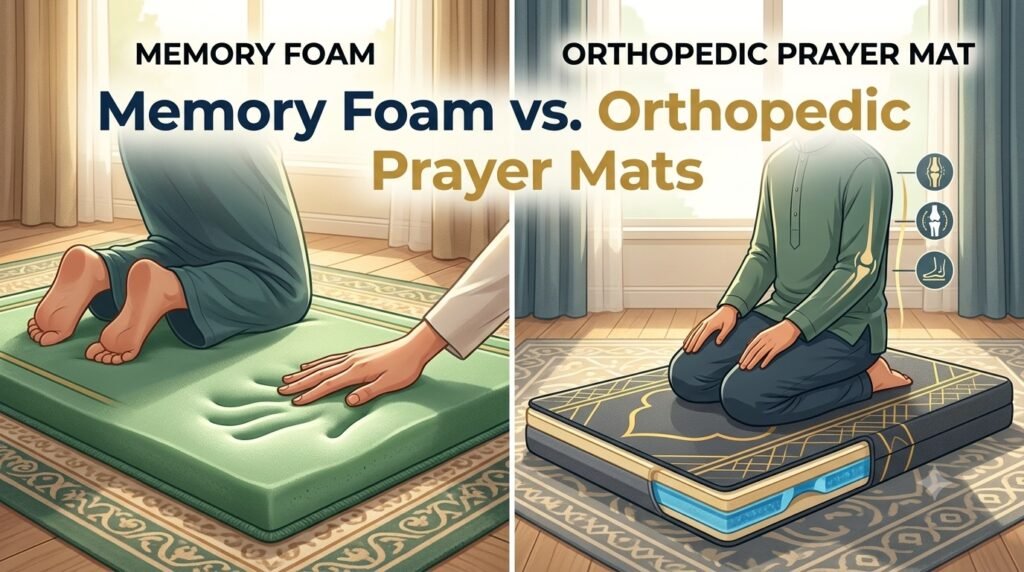
Both options improve comfort compared to ordinary jaye namaz, but they perform differently.
| Feature | Memory Foam Prayer Mat | Orthopedic Prayer Mat |
| Feel | Soft | Firm |
| Cushioning | Excellent | Moderate to High |
| Joint Pressure | Reduced | Reduced |
| Body Support | Moderate | Excellent |
| Comfort | Very High | High |
| Stability | Good | Excellent |
| Best For | Daily comfort | Long-term joint support |
The right choice depends on your personal comfort and physical needs.
Which One is Better for Knee Pain?
Knee pain is one of the biggest reasons people replace their regular jaye namaz.
Memory foam cushions the knees by spreading body weight over a larger area. This reduces sharp pressure points during sujood.
Orthopedic mats, however, prevent excessive sinking. They provide a firmer base that helps maintain natural knee positioning.
If your knees become sore mainly because of hard flooring, memory foam usually feels more comfortable. If you already have chronic knee problems or arthritis, orthopedic support may be the better long-term solution.
Which Jai Namaz Helps the Back More?
Lower back discomfort can happen when the body lacks proper support while moving between prayer positions. A soft mat absorbs pressure, but if it compresses too much, the body may lose stability.
Orthopedic janamaz generally provide stronger spinal support because they remain firm under body weight. That firmness encourages better posture throughout salah. For people with recurring lower back pain, orthopedic models often offer greater benefits.
Comfort During Longer Prayers
- Many Muslims spend extra time in worship during Ramadan, Tahajjud, or extended Quran recitation.
- Longer prayer sessions increase pressure on the knees and ankles.
- A memory foam jai namaz usually feels more relaxing during extended periods because of its soft surface.
- The cushioning helps reduce fatigue, especially when praying on marble or tile floors.
- If comfort is your top priority, memory foam has a clear advantage.
Durability Comparison
- A good prayer mat should last for years with proper care.
- Memory foam retains its softness for a long time, although cheaper foam may flatten after heavy use.
- An orthopedic ja namaz uses denser materials that resist compression better.
- For households where the mat is used several times a day, orthopedic construction may remain supportive for longer.
- Choosing quality materials matters more than simply choosing the thicker mat.
Which is Best for Elderly Users?
Older adults often experience:
- Arthritis
- Knee stiffness
- Reduced flexibility
- Back discomfort
- Sensitive joints
- A supportive janamaz can make daily prayers much easier.
- Many elderly users enjoy memory foam because it reduces pressure immediately.
- Others prefer orthopedic mats because they offer greater stability when standing up after sujood.
- The better option depends on mobility, comfort preference, and existing joint conditions.
What Should You Look for Before Buying?
Before purchasing your next jai namaz, consider these factors:
- Thickness: More thickness does not always mean better support. Quality foam performs better than excessive padding.
- Material: Choose breathable fabrics that stay comfortable in every season.
- Non-Slip Base: A secure base helps prevent movement during prayer.
- Easy Cleaning: A washable surface makes regular maintenance simple.
- Portability: If you travel frequently, choose a lightweight mat that folds easily.
Is Memory Foam Always Better?
Not necessarily. Memory foam delivers outstanding comfort, but some users prefer the stable feeling of orthopedic support.
Think about your daily routine. If you mainly want soft cushioning for healthy joints, a memory foam jaye namaz is an excellent option.
If you already experience joint conditions or need stronger support every day, an orthopedic model may suit you better.
Neither choice is universally better. The most comfortable prayer mat for Daily Salah is the one that allows you to perform Salah comfortably and consistently.
Final Thoughts: Choose Comfort That Supports Every Prayer
Your prayer mat is more than a piece of fabric. It supports your body during one of the most meaningful parts of the day.
A memory foam janamaz offers excellent softness and pressure relief, making daily prayers more comfortable on hard floors.
An orthopedic jaye namaz provides firmer support, improved stability, and better body alignment for people dealing with ongoing joint discomfort.
Before making a decision, think about your comfort level, physical condition, and how often you use your mat. A thoughtful choice can help make every prayer feel easier while giving your joints the care they deserve.
FAQs
- Is a memory foam prayer mat good for knee pain?
Yes. A memory foam jai namaz cushions the knees and helps reduce pressure during sujood, making it a popular choice for people seeking extra comfort.
- What is the difference between a janamaz and an orthopedic janamaz?
A traditional janamaz is usually made from fabric with light padding, while an orthopedic model uses supportive materials designed to reduce stress on joints.
- Which jaye namaz is better for elderly people?
Both can work well. Memory foam provides soft cushioning, while orthopedic mats offer firmer support and greater stability for users with mobility concerns.
- Can I use a memory foam prayer mat every day?
Yes they are designed for daily use and maintain their cushioning with proper care.
- How do I choose the best jai namaz for joint support?
Look for quality foam, a non-slip base, breathable fabric, and the level of firmness that matches your comfort and support needs.