
Are you unsure whether an expensive mattress is worth the money or if a budget-friendly option can provide the support you need? The right choice depends on more than the price tag. Your sleeping habits, preferred firmness, mattress materials, and expected lifespan all influence how much you should spend.
In Pakistan, mattress prices vary based on size, construction, foam quality, spring systems, and additional features. Rather than choosing the cheapest option or stretching your budget for an expensive model, focus on finding a mattress that meets your needs and offers reliable support over time.
For most buyers, the smartest approach is to set a realistic budget, compare construction and materials, and evaluate the mattress based on its long-term value.
How Much Should You Spend on a Mattress?
You should spend an amount that allows you to buy a mattress with suitable support, durable materials, and a size that fits your bed and sleeping needs. A higher price can reflect better construction or additional features, but it does not automatically guarantee better sleep.
Before setting your budget, consider these factors:
- Your sleeping needs: Side sleepers may prefer more cushioning, while back sleepers often benefit from balanced support.
- Mattress size: A queen or king mattress generally costs more than a single mattress made from comparable materials.
- Construction: Foam, memory foam, and pocket spring mattresses have different manufacturing costs and performance characteristics.
- Durability: A mattress that retains its shape and support may offer better value than one that needs replacing sooner.
- Warranty and service: Clear warranty terms and accessible after-sales support can make a purchase more reassuring.
Your goal should be to pay for features you will actually use rather than specifications that do not improve your sleeping experience.
Mattress Price vs. Quality: What Are You Paying For?
Two mattresses of similar size can have noticeably different prices. Understanding the reasons behind that difference helps you decide whether the additional cost is justified.
1. Foam Quality and Density
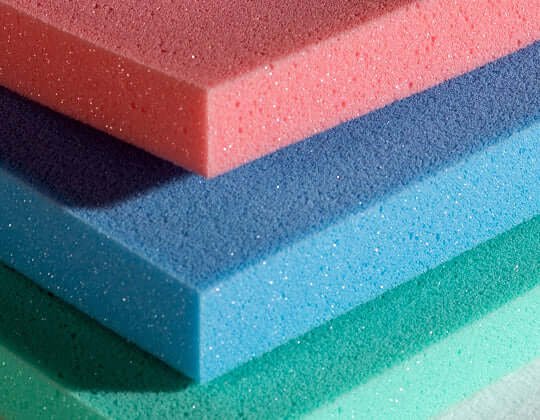
Foam mattresses can vary in density, firmness, resilience, and resistance to compression. Higher-density foam often provides better resistance to wear, although actual durability also depends on the foam formulation and overall construction.
A low-priced mattress may be suitable for occasional use or a limited budget. However, if the foam compresses quickly or loses its shape, the initial savings may not translate into long-term value.
Ask about the materials used and how the manufacturer describes the mattress’s intended use. Do not assume that a firm mattress is automatically more durable.
Also Read: How Thick Should a Mattress Be?
2. Spring System and Support
Spring mattresses differ in their construction and how they respond to movement and pressure.
- Bonnell spring mattresses: Use interconnected springs and can be a practical option for buyers looking for traditional spring construction.
- Pocket spring mattresses: Use individually wrapped springs that can respond more independently to movement and pressure.
- Hybrid mattresses: Combine spring support with foam or other cushioning layers.
Pocket spring and hybrid models may cost more because of their construction and materials. Whether the added expense is worthwhile depends on your priorities, such as motion isolation, cushioning, and support.
3. Comfort Layers and Special Features
Some mattresses include memory foam, cooling materials, pressure-relieving layers, or specialized support zones. These features can increase the price, but their value depends on whether they address your specific needs.
For example, someone who regularly feels overheated during sleep may benefit from a mattress designed to manage heat. In Pakistan’s warmer months, breathable bedding, room ventilation, and mattress construction can all influence sleeping comfort.
Avoid paying extra for a feature simply because it sounds advanced. Check what it does and whether it suits your sleeping environment.
What Mattress Budget Is Right for Your Needs?
Instead of relying on fixed price brackets that may quickly become outdated, compare mattresses within the current budget you can comfortably afford.
| Budget approach | What to look for | Best suited for |
| Entry-level | Basic construction, suitable support, clear warranty terms | Guest rooms, occasional use, and tight budgets |
| Mid-range | Balanced materials, dependable construction, and suitable comfort layers | Everyday use for individuals and couples |
| Higher-budget | Specialized support systems, additional comfort layers, or more advanced construction | Buyers with specific comfort preferences or support requirements |
These categories describe general buying approaches, not guaranteed quality levels. Actual prices vary by brand, size, materials, and promotions.
Before comparing models, check the current price for the same mattress size. A single mattress and a king mattress from the same product range are not directly comparable on price alone.
Five Ways to Get Better Value for Your Money
You do not necessarily need the most expensive mattress to sleep well. A few practical checks can help you make a more informed decision.
1. Choose the Right Firmness
Firmness and support are different. Firmness describes how the surface feels, while support refers to how well the mattress accommodates your body and helps maintain comfortable spinal alignment.
Side sleepers often prefer enough cushioning around the shoulders and hips. Back sleepers may prefer a more balanced feel, while stomach sleepers often need a surface that limits excessive sinking around the midsection.
Your body weight and personal preferences also affect how a mattress feels. If possible, test the mattress or review its firmness guidance before buying.
2. Compare the Same Size and Construction
A meaningful price comparison requires similar specifications. Compare two queen-size foam mattresses or two king-size pocket spring mattresses rather than comparing products with different dimensions and materials.
Look at the construction, comfort layers, firmness options, warranty, and return or exchange policy. This helps explain whether the price difference reflects useful features or simply a different product category.
3. Calculate the Cost Over Time
The purchase price is only one part of the equation. A mattress that costs less initially may be less economical if it loses its support and needs replacement sooner.
For example, consider two hypothetical mattresses:
- Mattress A costs PKR 30,000 and lasts 3 years.
- Mattress B costs PKR 45,000 and lasts 6 years.
If both last as assumed, Mattress A costs approximately PKR 10,000 per year, while Mattress B costs PKR 7,500 per year.
These figures are illustrative, not estimates of actual mattress prices or lifespans. They demonstrate why expected durability can be just as important as the initial cost.
4. Check the Warranty Carefully
A warranty can help you understand the manufacturer’s coverage, but it is not a guarantee that every comfort issue will be covered.
Check the duration, coverage for manufacturing defects, exclusions for normal wear, and requirements for the bed base. Also confirm how the manufacturer handles valid claims.
A longer warranty is useful only when you understand what it covers.
5. Look Beyond Discounts
Sales and promotional offers can reduce the upfront cost, but a discount alone does not establish value.
Compare the final price with similar products and check whether delivery charges, exchange conditions, or other costs apply. Choose a mattress based on its suitability and construction rather than the size of the advertised discount.
Which Mattress Features Are Worth Paying More For?
Some features can justify a higher budget when they solve a genuine problem.
- Motion isolation: Worth considering if a partner’s movements regularly disturb your sleep.
- Pressure relief: Useful if you need more cushioning around pressure-sensitive areas.
- Targeted support: May suit people who prefer different levels of support across the mattress.
- Cooling-oriented construction: Worth investigating if you tend to sleep hot, although no mattress can guarantee that you will stay cool in every room.
- Suitable size: Extra space can improve sleeping arrangements for couples, provided the mattress fits the bedroom and bed frame.
Do not pay extra for orthopedic labels or medical-sounding claims without understanding the product’s actual construction. A mattress may help you sleep more comfortably, but it should not be treated as a guaranteed treatment for back pain or another medical condition.
Common Mattress Buying Mistakes to Avoid
A few common mistakes can lead to unnecessary spending or disappointment.
- Buying only by price: The cheapest mattress may not provide the support or durability you need.
- Assuming expensive means better: Price alone cannot tell you whether a mattress suits your body and sleeping position.
- Ignoring your bed frame: An unsuitable or poorly supported base can affect mattress performance and may invalidate warranty coverage.
- Choosing firmness based: What feels comfortable to one person may not work for another.
- Ignoring return conditions: Confirm whether a trial period, exchange, or return option is available before purchasing.
- Overlooking room conditions: Heat, humidity, ventilation, and bedding can affect your overall sleep experience.
Taking time to compare these details can help you avoid paying for the wrong mattress.
How to Set Your Mattress Budget Before Buying
Use this simple process to narrow your options:
- Set a spending limit. Choose an amount you can afford without creating financial strain.
- Select your size. Confirm whether you need a single, queen, or king mattress and check your bed frame dimensions.
- Identify your priorities. Decide whether cushioning, firmness, motion isolation, or heat management matters most.
- Compare three suitable options. Review products with similar dimensions and construction rather than comparing prices alone.
- Check the purchase terms. Review delivery, warranty coverage, and return or exchange conditions.
- Choose based on value. Select the mattress that meets your needs at a price you can comfortably manage.
If you are comparing mattresses from established manufacturers such as Diamond Supreme Foam or other brands available in Pakistan, use the same checklist for every option. This keeps your decision focused on product suitability rather than brand claims.
Spend on Support and Durability, Not Just the Price Tag
The right mattress budget is one that balances affordability with the support, materials, and features you need for regular sleep. A budget-friendly model can be a sensible choice when its construction suits your needs, while a more expensive option may be worthwhile if its additional features provide genuine value.
Compare current prices for the same size, examine the construction, read the warranty terms, and consider the likely cost over the mattress’s useful life. These checks will help you make a confident purchase without assuming that either the cheapest or the most expensive mattress is automatically the right choice.
Read More: Looking for the Best Mattress in Pakistan? Here’s Why Diamond Supreme Foam Leads the Market
Frequently Asked Questions
- What is a reasonable budget for a mattress in Pakistan?
A reasonable budget depends on mattress size, construction, and personal needs. Compare current prices across similar models and choose an option that provides suitable support and clear warranty terms within your budget.
- Is an expensive mattress always better than a cheap one?
No. A higher price may reflect better materials, specialized construction, or additional features, but it does not guarantee a better fit for your sleeping needs. Compare specifications, comfort, and expected durability before deciding.
- How long should a good mattress last?
A mattress’s useful life depends on its materials, construction, frequency of use, body weight, and maintenance. Check the manufacturer’s guidance and warranty, and replace your mattress when it no longer provides adequate support or has significant deterioration.
- Which mattress type offers the best value for money?
There is no single best option for everyone. Foam mattresses may suit buyers who prefer a simpler construction, while pocket spring or hybrid mattresses may appeal to those seeking more independent spring movement or a combination of cushioning and support. Compare individual models rather than relying on the mattress type alone.
- Should I buy a mattress during a sale in Pakistan?
A sale can be a good opportunity to save money if the mattress meets your needs and the final price is competitive. Compare the original and current prices where possible, review the warranty, and check delivery and return conditions before placing an order.