Do your knees or ankles ache after completing your daily prayers? Performing five daily prayers requires frequent kneeling and prolonged sitting during Tashahhud. When done on a hard floor or a thin sheet, this routine can quickly lead to joint strain and physical discomfort.
A good prayer mat balances cushioning, fabric durability, and stable backing to support your body during daily worship. The right mat provides reliable joint support, stays firmly in place on smooth tile or marble floors, and uses breathable materials that suit local indoor climates.
The Essential Elements of a Quality Janamaz
Choosing a suitable janamaz goes beyond selecting a pleasing design. Understanding how specific construction details impact daily use helps you find a mat that lasts for years while protecting your joints.
1. Superior Cushioning and Support
Standard woven rugs often lack the padding necessary to absorb pressure on hard surfaces. Higher-quality prayer mats feature dedicated inner layers, such as:
- High-Density Foam: Offers firm, resilient support that prevents your knees from touching the hard floor beneath.
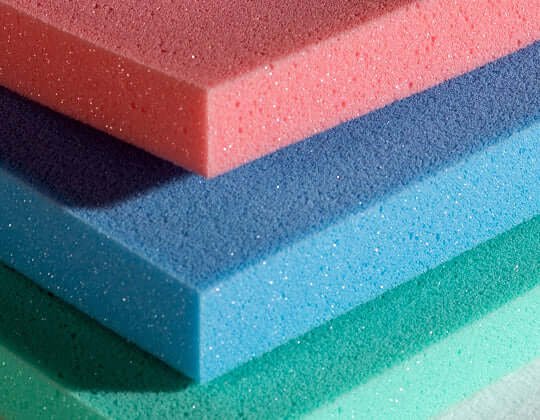
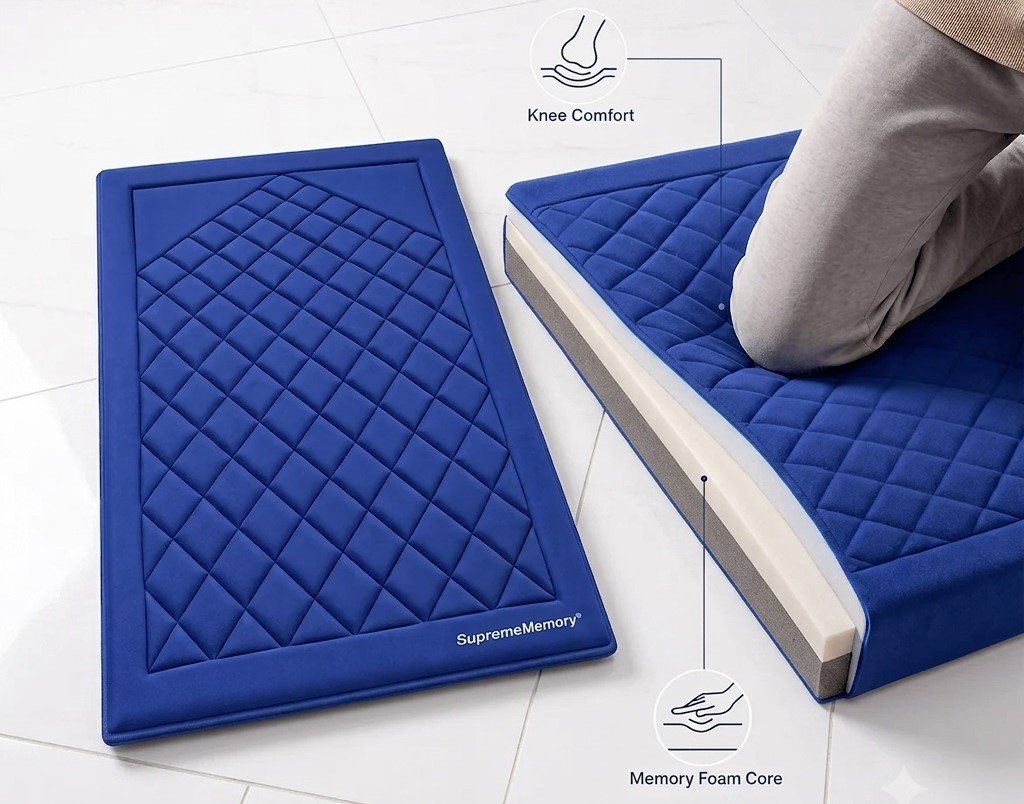
- Memory Foam: Molds to your body shape, distributing weight evenly and reducing pressure on sensitive joints.
- Layered Padding: Combines soft top batting with a firm structural core to maintain shape over long periods.
Read More: Prayer Mat Materials Explained
2. Fabric Quality and Texture
The top surface remains in direct contact with your skin, hands, and face throughout prayer. Ideal surface fabrics include:
- Velvet and Chenille: Soft to the touch, highly durable, and gentle on sensitive skin.
- Cotton Blends: Highly breathable and easy to wash, making them well-suited for warmer summer months.
- Wool: Provides natural warmth and heavy-duty durability, though it requires gentle dry cleaning.
3. Anti-Slip Base Layer
Smooth marble and ceramic tile floors are standard in many homes. A smooth underside allows the mat to slide during Ruku or Sujood, creating a safety hazard. Look for memory foam prayer mats with rubberized backing, non-skid latex dot patterns, or heavy textured undersides that hold securely to polished surfaces.
Comparing Common Prayer Mat Materials
Selecting the correct material depends on where you intend to use the mat and how much support your joints require.
| Material Type | Primary Benefit | Best Suited For | Maintenance Needs |
| Memory Foam | Relieves joint pressure and absorbs impact | Seniors, individuals with joint pain, home use | Spot clean or removable cover washing |
| Velvet / Chenille | Soft texture and rich visual finish | Standard home use, guest rooms | Regular vacuuming and dry cleaning |
| Woven Cotton | Lightweight and breathable | Daily travel, warm weather, frequent washing | Machine washable |
| Travel Synthetic | Water-resistant and ultra-compact | Outdoor use, office commuting, travel | Simple wipe-down clean |
Supporting Specific Physical Needs
Every worshiper has unique physical requirements. Matching your prayer rug to your specific routine ensures consistent ease during daily prayers.
Relief for Seniors and Joint Sensitivity
Prostration puts significant localized pressure on the knees, while sitting places stress on the ankles and lower back. For elderly family members or anyone managing joint discomfort, thick memory foam cores cushion those impact points effectively. Adequate thickness allows longer periods of comfortable sitting without causing numbness or stiffness.
Portable Designs for Daily Travel
If you pray regularly at the office, university, or while traveling, weight and portability take priority. Thin, foldable cotton or synthetic mats fit easily into a briefcase or backpack without adding bulk. While these lack thick padding, they protect against dust and provide a clean surface wherever you are.
How to Maintain and Clean Your Janamaz
Proper care keeps your prayer rug hygienic, soft, and visually fresh over time.
- Regular Dusting: Shake out the mat weekly or use a vacuum attachment on low suction to remove surface dust.
- Immediate Spot Cleaning: Clean spills instantly using a damp cloth and mild detergent. Avoid harsh chemicals that strip fabric softeners or damage backing materials.
- Washing Foam Layers: Can you wash a prayer mat in a washing machine? Never submerge memory foam cores fully in water, as moisture gets trapped inside and degrades the foam. Choose mats with zippered, removable covers for easy washing.
- Air Drying: Always line-dry fabrics away from direct sunlight to preserve vibrant colors and prevent non-slip rubber backings from cracking under intense heat.
Choosing the Right Mat for Your Daily Routine
Selecting a quality jai namaz comes down to balancing body support, fabric comfort, and practical durability. A thick foam core offers essential joint protection on hard flooring, while breathable fabrics and secure anti-slip backings enhance daily safety and convenience. Investing in a well-constructed prayer mat ensures physical ease and steady support across every prayer.
Read More: Supreme Memory Foam Prayer Mat: The Most Comfortable Janamaz for Daily Salah
Frequently Asked Questions
What is the ideal thickness for a foam prayer mat?
A thickness between 1.5 and 2.5 centimeters offers an optimal balance. This range provides enough cushioning to relieve knee pressure on hard marble or tile floors without making the surface unstable during standing postures.
Can memory foam janamaz be washed in a washing machine?
The internal memory foam core should never be machine-washed or wrung out. However, many foam mats feature removable outer covers made from velvet or cotton that can be safely washed on a gentle cycle.
How do I prevent my prayer mat from slipping on marble floors?
Choose a mat constructed with a built-in anti-slip rubberized or latex backing. Alternatively, place an inexpensive silicone carpet gripper pad beneath a standard thin rug to keep it anchored.
Which material is best for hot summer weather?
Breathable woven cotton or lightweight chenille fabrics remain cool against the skin during hot weather. Natural cotton absorbs moisture and allows air circulation better than dense synthetic materials.
What should I look for when buying a travel prayer mat?
Focus on lightweight, water-resistant synthetic fabrics or thin cotton weaves that fold compactly into a small pouch. A built-in weighted corner design is also helpful to prevent the mat from flipping over outdoors.