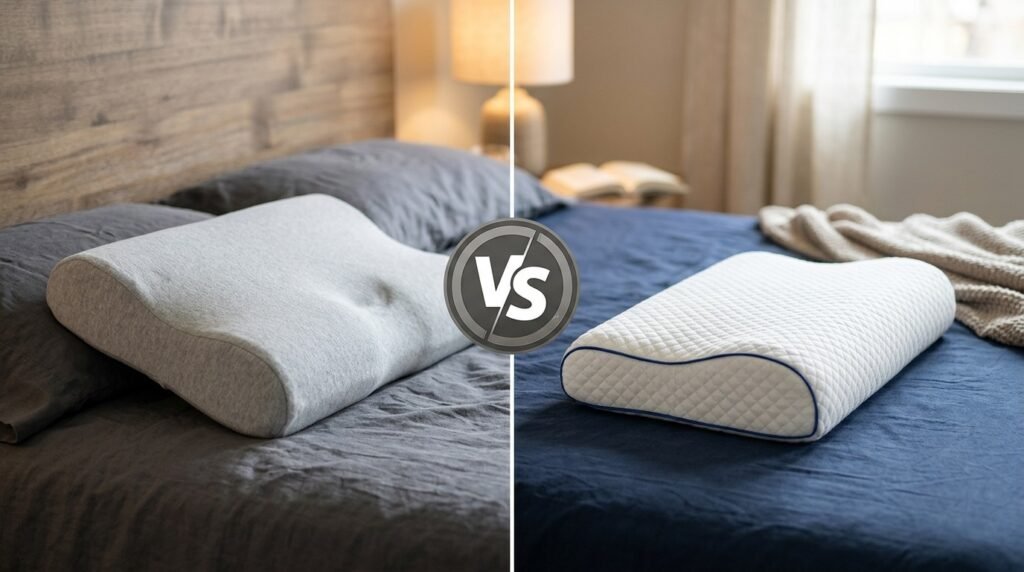
Waking up with a stiff neck or sore shoulders? Your pillow may be part of the problem. Both a memory foam pillow and an ortho pillow can provide good support, but they are designed in slightly different ways. Memory foam mainly adapts to the shape of your head and neck, while an orthopedic design usually focuses more directly on maintaining better sleeping posture and alignment.
For most people, the better choice depends on sleeping position, pillow height, firmness preference, and whether neck support is a priority.
Memory Foam Pillow vs Ortho Pillow at a Glance
Here is a simple comparison:
| Feature | Memory Foam Pillow | Ortho Pillow |
| Main purpose | Pressure relief and contouring | Neck and spinal alignment |
| Shape | Traditional or contoured | Often contoured or ergonomically shaped |
| Feel | Molds around the head and neck | More structured support |
| Good for | Side, back, and some combination sleepers | People wanting targeted neck support |
| Firmness | Available in multiple firmness levels | Usually medium to firm |
| Adjustment period | Usually short | May require a few nights to get used to |
Neither option is automatically better for everyone. The right pillow should keep your head supported without pushing your neck too far upward or letting it sink too low.
What is a Memory Foam Pillow?
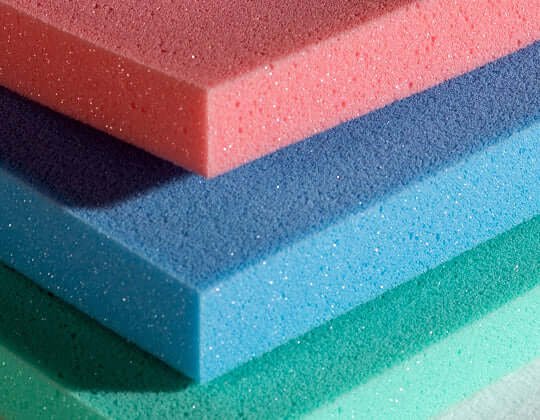
A memory foam pillow is made from pressure-responsive foam that gradually adapts to the shape of your head and neck.
This contouring effect helps distribute pressure more evenly across the pillow. It can also reduce empty spaces between the neck and sleeping surface, especially when the pillow has the right height for your body.
A memory pillow may come in several designs, including:
- Solid foam pillows
- Contoured pillows
- Shredded foam pillows
- Ventilated foam designs
- Traditional rectangular shapes
Solid foam usually gives a more stable feel, while shredded foam often feels softer and may allow some height adjustment.
Who May Prefer Memory Foam?
Memory foam can be a practical choice if you:
- Like a pillow that adapts closely to your body
- Sleep mainly on your back or side
- Prefer pressure-relieving support
- Want a traditional pillow shape with added structure
- Frequently change between sleeping positions
People living in warmer parts of Pakistan may also want to check whether the pillow includes ventilation channels, breathable fabric, or another airflow-focused design, as dense foam can sometimes retain more warmth.
What is an Ortho Pillow?
An ortho pillow is designed to support the natural position of the neck, head, and upper spine during sleep.
Unlike a standard pillow, an orthopedic pillow may include raised neck areas, curved edges, shoulder cutouts, or different height zones. These features are intended to help keep the neck in a more neutral position.
Some orthopedic designs are also made from memory foam. This means the two categories can overlap.
For example, a contoured orthopedic pillow made from memory foam combines the pressure-relieving properties of foam with a structured shape for targeted support.
Which Pillow Gives Better Neck Support?
What is the best pillow for cervical neck support? For targeted neck positioning, an orthopedic design often provides more structured support.
Its curved shape can help fill the natural gap beneath the neck while allowing the head to rest slightly lower. This may be especially useful for back sleepers and some side sleepers.
However, pillow shape alone does not determine whether it will suit you.
The best pillow for neck pain should also have the correct height. A pillow that is too thick may push your head forward or sideways. One that is too thin may allow your neck to drop out of alignment.
If you have persistent or severe neck pain, a pillow should not be treated as a replacement for medical evaluation.
Which Type is Better for Different Sleeping Positions?
Side Sleepers
Side sleepers usually need enough height to fill the space between the shoulder and head.
A medium-to-firm foam pillow or appropriately sized contoured ortho design may work well. People with broader shoulders generally require more pillow height than those with narrower shoulders. So, what is the best pillow for neck and shoulder pain in Pakistan?
Back Sleepers
Back sleepers usually benefit from moderate support.
The pillow should support the curve of the neck without lifting the head excessively. A contoured orthopedic design can work well, but a medium-height memory foam option may feel more familiar.
Stomach Sleepers
Stomach sleepers usually need a much thinner pillow because excessive height can rotate the neck upward.
A low-profile foam option is often more suitable than a strongly raised orthopedic design.
What Should You Check Before Buying?
Choosing between these pillow types becomes easier when you focus on a few practical features.
Pillow Height
Your pillow should help keep your neck reasonably aligned with your spine.
Higher is not always better. Consider your sleeping position, shoulder width, mattress firmness, and body size.
Firmness
A pillow that is excessively soft may collapse during the night, while one that is too firm may create uncomfortable pressure.
Aim for support that feels stable without forcing your head into an unnatural position.
Material and Breathability
Warm nights are common across many areas of Pakistan, so airflow can be important.
Look for breathable covers, ventilated foam, removable washable covers, or designs specifically made to improve air circulation.
Shape
Choose a traditional shape if you move frequently during sleep and prefer flexibility.
Consider a contoured orthopedic shape if you want more defined neck positioning and mainly sleep on your back or side.
Memory Foam or Ortho Pillow: Which Should You Choose?
Choose a memory foam design if you prefer gentle contouring, pressure relief, and a familiar pillow feel.
Choose an orthopedic design if your main priority is structured neck positioning and you are comfortable with a more specialized shape.
For many people, the most balanced option is actually a memory foam orthopedic pillow. It combines responsive foam with a contoured profile designed to support the neck.
The label on the pillow is less important than its height, shape, firmness, and how naturally your neck rests on it.
A Supportive Pillow Should Match the Way You Sleep
There is no single pillow design that suits every person.
A memory foam pillow may be better for people who value adaptive cushioning and pressure relief, while an ortho pillow may suit those looking for more structured neck support.
Before buying, think about how you sleep, how broad your shoulders are, whether you tend to sleep warm, and how much firmness you prefer. A well-chosen pillow should support your sleeping posture without making your neck feel forced into position.
Frequently Asked Questions
Is an orthopedic pillow better than memory foam?
Not necessarily. An orthopedic pillow focuses on positioning and alignment, while memory foam focuses more on contouring and pressure distribution. Some orthopedic pillows are also made from memory foam, giving you benefits from both designs.
Is memory foam good for neck pain?
It can provide useful support when the pillow has the right height and firmness. The foam can conform around the neck and head, but persistent neck pain should be evaluated by a qualified healthcare professional.
Which pillow is better for side sleepers?
Side sleepers often benefit from a medium-to-high pillow that fills the gap between the head and shoulder. Both contoured orthopedic designs and firmer memory foam options can work depending on shoulder width and mattress firmness.
How long does it take to adjust to an orthopedic pillow?
Some people adjust immediately, while others may need several nights. Contoured shapes can feel different from traditional pillows because they support the neck in a more defined position.
Should I choose a soft or firm pillow for neck support?
Neither extreme is ideal for everyone. The pillow should be firm enough to maintain its shape but soft enough to avoid excessive pressure. Your sleeping position and pillow height are usually more important than firmness alone.