Ever finish a long prayer and notice your knees or forehead feel sore afterward? The type of prayer mat you’re using is often the reason. A janamaz (also written as jai namaz or ja namaz) isn’t just a piece of fabric on the floor. Its thickness, material, and cushioning directly affect how your body feels during sujood, especially if you’re praying five times a day on a hard floor. For daily use, a memory foam prayer mat tends to offer the most consistent support, though it isn’t the only option worth knowing about.
This article walks through the main types of prayer mats available, how they compare, and what to consider when choosing one for regular use at home, work, or while traveling.
Why Prayer Mat Type Affects Daily Comfort
Standard prayers involve repeated kneeling and prostration, often on marble, tile, or thin carpet. Over weeks and months, that repeated pressure on the knees and forehead adds up.
A well-made prayer mat cushions those pressure points without feeling unstable underfoot. The right type depends mostly on the surface you pray on and how often you use the same mat throughout the day.
Traditional Woven Prayer Mats
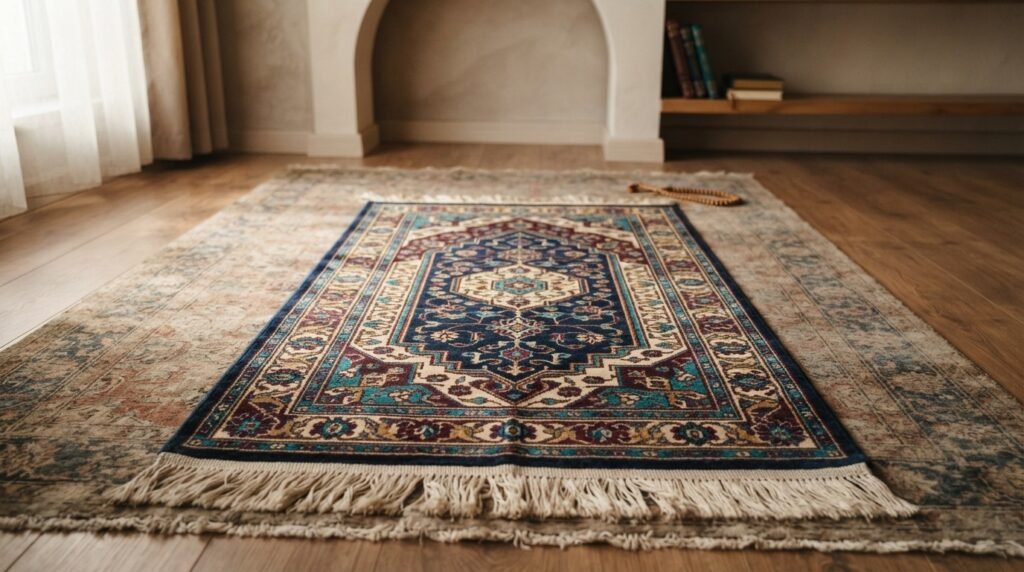
Woven or printed janamaz mats are the most common type, usually made from cotton, silk-blend, or synthetic fibers with minimal padding.
Pros:
- Lightweight and easy to fold or roll
- Widely available in many designs and price ranges
- Simple to wash
Cons:
- Little to no cushioning on hard floors
- Can feel thin over long prayer sessions
- Some fabrics slip on tile or marble
These work well for travel or for placing over an already-padded surface like a carpeted room, but they don’t do much on their own if your floor is hard.
Foam-Padded Prayer Mats
Foam-padded mats add a thin layer of basic foam under the fabric, giving slightly more cushioning than a purely woven mat.
This middle option suits people who want some comfort improvement without a bulky mat. However, standard foam used in these mats often compresses quickly with daily use and can flatten out within a matter of months, losing much of its cushioning effect.
Memory Foam Prayer Mats
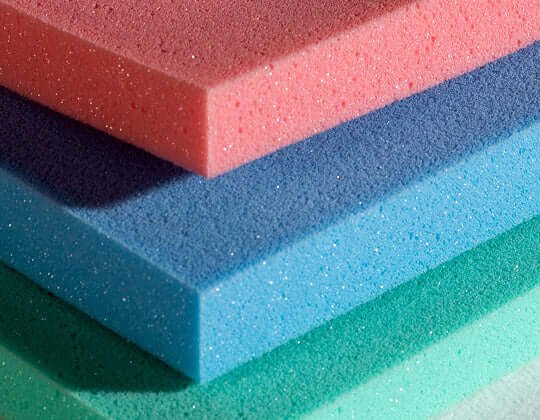
Memory foam prayer mats use a denser, slow-recovery foam layer instead of basic padding. This foam compresses under pressure at the knees and forehead, then gradually returns to shape rather than staying flattened.
Why this matters for daily use:
- Better pressure distribution across knees, forehead, and hands during sujood
- More consistent support that doesn’t flatten out as quickly as basic foam
- Reduces direct impact on hard floors like tile, marble, or concrete
- Stays comfortable through five daily prayers without needing extra padding underneath
For anyone praying regularly on a hard floor, especially older family members or those with knee discomfort, memory foam tends to hold up better over time than thinner alternatives.
Memory Foam vs. Standard Foam Prayer Mats
| Feature | Standard Foam | Memory Foam |
| Cushioning under knees | Moderate | Higher |
| Recovery after use | Flattens over time | Returns to shape |
| Best for | Occasional use | Daily use |
| Feel on hard floors | Thin | More consistent |
Also Read: Prayer Mat Materials Explained
Portable and Travel Prayer Mats
Travel-friendly janamaz mats are designed to fold small, often with a lightweight foam layer or a foldable frame. They’re built for convenience rather than long-term daily cushioning.
These are a practical second mat for a bag or car, but they’re not usually meant to replace a mat used for regular prayers at home.
Choosing a Prayer Mat for Daily Use
A few practical points help narrow down the right type:
- Check your floor surface. Hard tile or marble benefits more from foam or memory foam than a fully carpeted room does.
- Think about who’s using it. Older users or anyone with knee or joint discomfort usually benefits more from memory foam.
- Consider how many prayers happen on the same mat. A mat used five times a day needs foam that won’t flatten quickly.
- Balance size and portability. A larger, thicker mat works well at home; a thinner one suits travel or office use.
The Ultimate Choice: Diamond Memory Foam Prayer Mat
Diamond Foam‘s memory foam prayer mats are made with a denser foam layer specifically to hold up under daily prostration, rather than the thinner padding found in many basic mats. The foam is chosen to keep its shape through repeated use, so the cushioning under your knees and forehead stays consistent whether it’s your first prayer of the day or your fifth.
For households praying on tile or marble floors, this kind of support can make a noticeable difference over weeks of daily use, particularly for family members who spend more time in sujood or find hard floors uncomfortable on their joints.
A prayer mat’s real test isn’t how it looks when you unroll it, but how it feels after weeks of daily use on the same floor. Memory foam prayer mats hold their support longer than woven or basic foam options, which makes them a practical choice for anyone praying regularly at home rather than only occasionally.
Frequently Asked Questions
What is the best material for a daily-use janamaz?
Memory foam is well suited to daily use because it keeps its cushioning shape over time, unlike basic foam or plain woven fabric, which tend to flatten or offer less support on hard floors.
Is a memory foam prayer mat good for people with knee pain?
Yes, memory foam distributes pressure more evenly across the knees and forehead during sujood, which can ease discomfort for people who kneel on hard floors multiple times a day.
How thick should a prayer mat be for daily use?
There’s no fixed rule, but a mat with enough foam to notice cushioning under your knees, typically thicker than a plain woven janamaz, tends to work better for daily prayers on tile or marble.
Can a memory foam prayer mat be used on carpet?
Yes, it can still add extra cushioning even on carpet, though the difference is more noticeable on hard flooring like tile, marble, or concrete.
How do you clean a memory foam prayer mat?
Most memory foam prayer mats come with a removable or wipeable cover, since the foam layer itself typically shouldn’t be soaked in water. Checking the specific care instructions for your mat helps avoid damaging the foam layer.