Have you ever wondered what makes memory foam mattresses feel comfortable and offer firm support? What exactly gives them that unique combination of softness, pressure relief, and durability? The secret lies in the innovative materials and advanced technology that go into their creation. Memory foam, also known as viscoelastic foam, is designed to conform to your body, reduce pressure points, and promote better sleep. But what is memory foam made of, and how does this technology actually work? Let’s explore the science behind it.
The Origins of Memory Foam
Memory foam was originally developed in the 1960s by NASA to improve seat cushioning and crash protection for astronauts. NASA scientists needed a material that could absorb impact and distribute weight evenly during space travel. Its remarkable ability to respond to both heat and pressure made it perfect for this purpose. Eventually, the technology was adapted for commercial use, leading to the development of the memory foam mattress, pillows, and other comfort products. Today, memory foam is widely used in both healthcare and everyday home applications, from mattresses to pillows.
Core Ingredients of Memory Foam
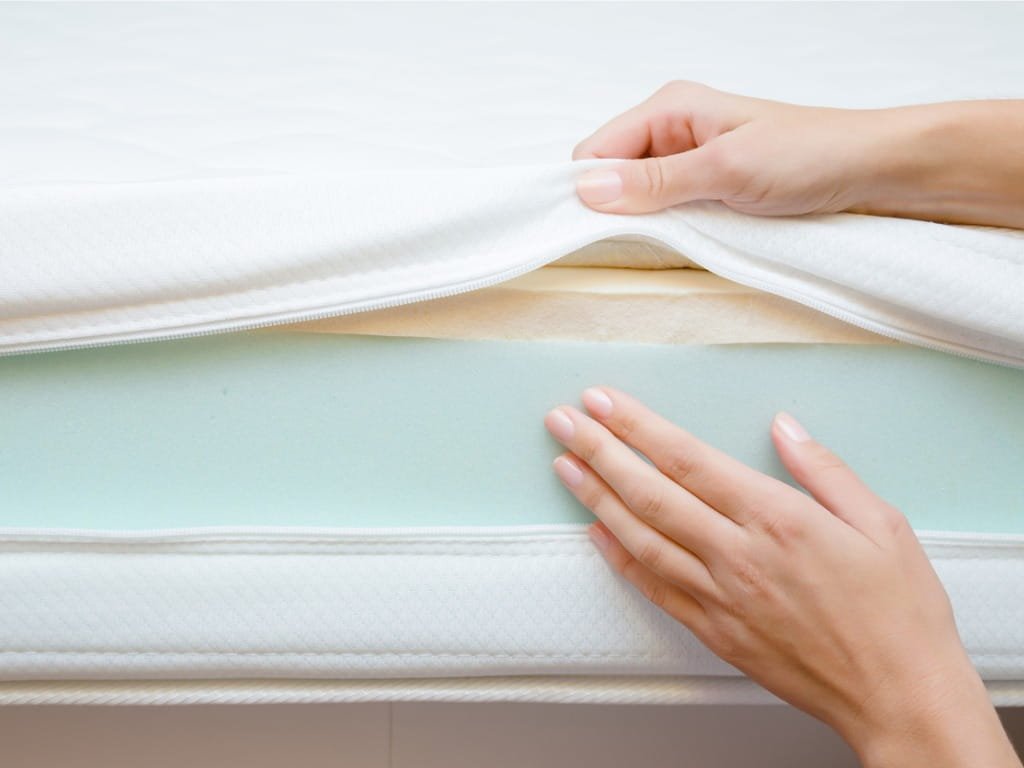
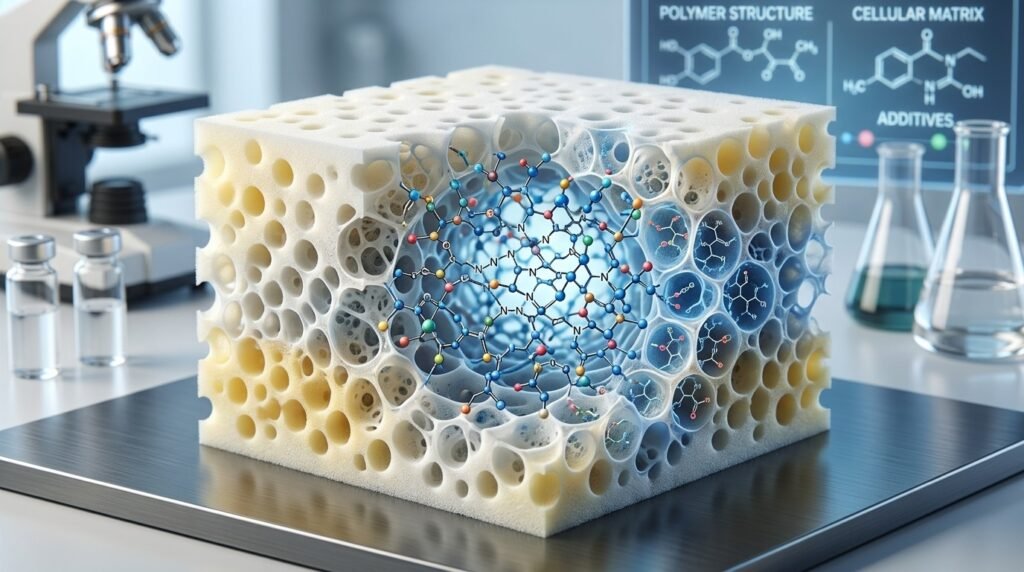
Memory foam is primarily made of polyurethane, a polymer that provides flexibility and resilience. However, what truly distinguishes memory foam from standard polyurethane foam is the addition of viscoelastic chemicals, which make the foam both temperature-sensitive and pressure-conforming. Here’s a breakdown of its main components:
Polyurethane Base
The foundation of memory foam, this polymer gives it strength, elasticity, and durability. It is lightweight yet sturdy enough to maintain the foam’s structure over years of use.
Viscoelastic Additives
These special chemicals modify the foam’s density and elasticity, allowing it to slowly respond to body pressure and temperature. They are the key to memory foam’s contouring effect.
Blowing Agents
Used to create the foam’s cellular structure, blowing agents produce tiny air pockets, making the foam soft, supportive, and breathable.
Optional Enhancers
Modern memory foams may include gel beads for cooling, plant-based oils for eco-friendliness, or antimicrobial treatments for hygiene.
How Memory Foam Technology Works
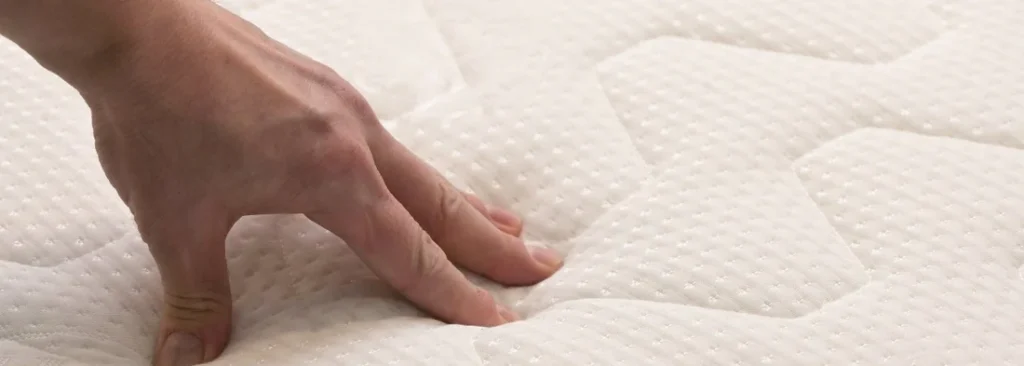
Memory foam’s unique performance comes from its viscoelasticity, which combines the properties of viscosity (resistance to flow) and elasticity (ability to return to its original shape). Here’s how it responds when you lie down:
- Heat Activation: Your body heat warms the foam, softening it so it can mold around your natural curves.
- Pressure Distribution: Heavier parts of your body, like hips and shoulders, sink slightly, while lighter areas remain supported. This reduces pressure on joints and promotes spinal alignment.
- Shape Recovery: When you get up, the foam slowly returns to its original shape, ready for the next use.
This combination of support and contouring makes memory foam ideal for people with back pain, joint issues, or those sharing a bed with a restless partner, thanks to its motion isolation properties.
Innovations in Modern Memory Foam
Today’s memory foam comes in several advanced forms, each designed to improve comfort and sleep quality:
- Gel-Infused Memory Foam: Gel beads absorb excess heat, keeping the mattress cooler throughout the night. (Read More: High Density Foam VS Gel Infused Foam)
- Open-Cell Memory Foam: The foam’s cellular structure is modified to allow better airflow, enhancing breathability and reducing heat retention.
- Plant-Based Memory Foam: Partially replaces petroleum-based chemicals with natural oils, making it more eco-friendly without compromising comfort.
- Zoned Memory Foam: Designed with variable firmness zones to provide extra support for heavier body parts like hips and shoulders.
These innovations allow consumers to select memory foam mattresses tailored to their sleep preferences, body type, and health needs.
Benefits of Memory Foam
Memory foam offers numerous advantages over traditional mattresses:
- Pressure Relief: Conforms to body shape and reduces stress on joints, helping prevent aches and pains.
- Orthopedic Support: Maintains spinal alignment for better posture and reduced back pain.
- Durability: High-quality memory foam can last over 10 years when properly maintained.
- Motion Isolation: Ideal for couples, as it minimizes disturbances caused by movement on the bed.
- Hypoallergenic Properties: Resists dust mites, bacteria, and allergens, making it suitable for people with allergies.
Final Thoughts!
Memory foam is more than just a comfortable material; it’s a sophisticated blend of chemistry, technology, and design. From its NASA origins to modern eco-friendly innovations, it continues to redefine comfort, support, and quality sleep. You need memory foam mattresses and pillows for an ultimate sleep experience.
FAQs
- What is memory foam made of?
Memory foam is primarily made from polyurethane combined with viscoelastic chemicals that allow it to conform to your body and respond to temperature and pressure.
- How does memory foam work?
Memory foam works through viscoelasticity, molding to your body shape when warmed by body heat and gradually returning to its original form after use.
- Are there different types of memory foam?
Yes, including gel-infused, open-cell, plant-based, and zoned memory foam, each offering unique benefits like cooling, breathability, eco-friendliness, and targeted support.
- Is memory foam safe for health?
High-quality memory foam is generally safe, hypoallergenic, and resistant to dust mites and bacteria.