If you’re someone who tends to sleep hot, you’ve probably seen “gel foam” advertised as a solution for a cooler night’s sleep. But what exactly does gel foam do, and does it live up to its promise of keeping you cool throughout the night, or is it just effective in the short term? In this blog, we’ll explore how gel foam works, what benefits it offers, and what you should consider when choosing a mattress that genuinely keeps you cooler all night long. Let’s get to the bottom of the cooling mattress hype!
The Problem: Why Some Foams Sleep Hot
Traditional memory foam can trap heat because:
- It has a dense, closed structure that slows airflow.
- It softens with body heat and pressure, creating a snug “hug” that reduces ventilation around your skin.
- Covers and protectors can act like sweaters, limiting heat escape.
Result: you feel warm after the first hour or two, even if the bed feels fine at first.
The Promise of Gel
“Gel” in mattresses usually means gel infused memory foam or gel beads mixed into the foam. The goal is to absorb and move heat away from the body faster than plain foam, especially during the first phase of sleep.
How it helps:
- Thermal absorption: gel has higher heat capacity than plain foam, so it can absorb warmth quickly at contact points like shoulders and hips.
- Heat spread: gel distributes heat across a wider area, reducing hot spots.
- Perceived cool touch: some gels feel cooler on first contact, which can help you settle.
Note: Many gel foams offer strongest cooling in the first 30 to 90 minutes as they absorb and spread your body heat, then they reach a steady state.
Types of Gel Cooling You Will See
- Gel infused foam: gel mixed evenly into the foam during production. Offers broad but moderate cooling.
- Gel beads or swirls: visible dots or swirls of gel. Can create targeted heat sinks where pressure is highest.
- Gel layers or pads: a separate gel sheet or quilting layer near the surface for a stronger initial cool touch.
What Really Improves Night Long Cooling
Gel helps, but long-lasting temperature comfort depends on the whole mattress system.
- Open cell foam structure
Larger, interconnected cells let air move through the foam so heat does not build up as quickly. - Breathable cover and quilting
A cool feeling cover with breathable fibers and light quilting lets heat and moisture move away from your skin. - Airflow from below
Pocketed coils or ventilated bases allow air to move through the mattress core, which helps carry heat away. - Phase change materials optional
Some covers use phase change materials that absorb heat at a set temperature and release it later, smoothing temperature swings. - Room factors
A fan, reasonable room temperature, and not using plastic like protectors that crinkle and trap heat all make a big difference.
Gel Foam vs Other Cooling Approaches
- Gel foam: good initial cooling, softer contouring feel. Best for side sleepers or anyone who loves the pressure relief of memory foam but wants less heat.
- Graphite or copper infused foam: also pull heat away and may feel slightly cooler under sustained use.
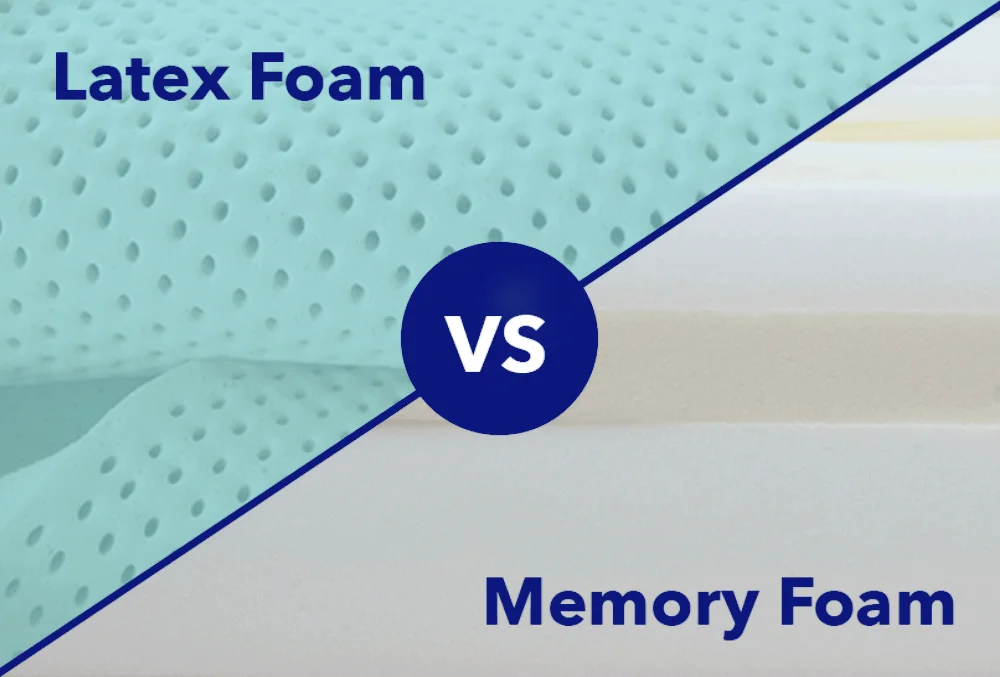
- Latex foam: naturally more breathable and springier, often cooler without additives.
- Hybrid mattresses: foam comfort layers over coils increase airflow for people who run hot.
How to Tell if a Gel Foam Mattress Will Sleep Cool for You
Press and hold test
Place your hand for 30 seconds. You may feel an initial cool touch. Stay another minute to see if it remains comfortable rather than getting warm quickly.
Lie down for at least 10 to 15 minutes
Focus on shoulders and hips. Do hot spots build, or does it stay pleasantly neutral?
Check the cover
Look for breathable, cool feeling fabrics and light quilting rather than thick, heat trapping pillow tops.
Look under the hood
Open cell foam descriptions, ventilation channels, or a hybrid coil core are promising signs.
Protector matters
Use a quiet, breathable, waterproof protector. Avoid plastic like barriers that trap heat and humidity.
Who Benefits Most from Gel Foam
- Side sleepers who need deep pressure relief at shoulders and hips
- Couples’ sensitive to motion, since gel memory foam also dampens movement
- People who feel warm at first but want faster cool down as they settle
When to Consider Alternatives
- Very hot sleepers who wake sweaty even in a cool room may do better with latex or a hybrid with strong airflow.
- If you change positions a lot and dislike the slow “sink,” a responsive foam or latex may feel cooler and easier to move on.
Care Tips to Keep Things Cooler
- Wash the cover per guidance or air it out to reduce moisture buildup.
- Use breathable sheets and a light blanket. Heavy, dense bedding traps heat.
- Allow airflow under the bed; avoid solid platforms that block ventilation unless the brand recommends them.
Conclusion:
Gel foam can enhance the cooling effect of memory foam, especially during the initial part of the night, by absorbing and distributing heat. However, for long-lasting comfort, it’s important to consider the entire cooling system of your mattress. Look for features like open-cell foams, breathable covers, airflow from coils, or a ventilated base, along with the right bedding to promote airflow. If you love the pressure-relieving “hug” of memory foam but want a cooler sleep experience, gel foam is a great option. But if you tend to sleep hot or move around frequently, a breathable hybrid or latex mattress may provide better all-night temperature control.