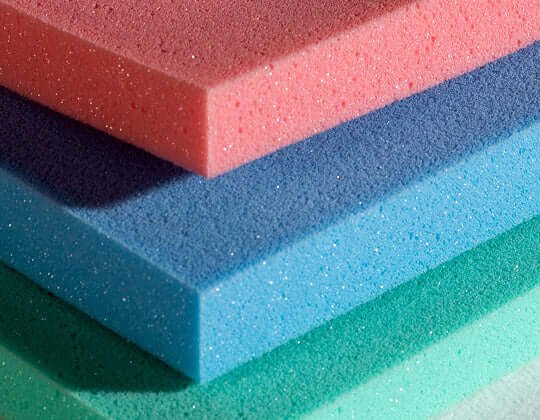
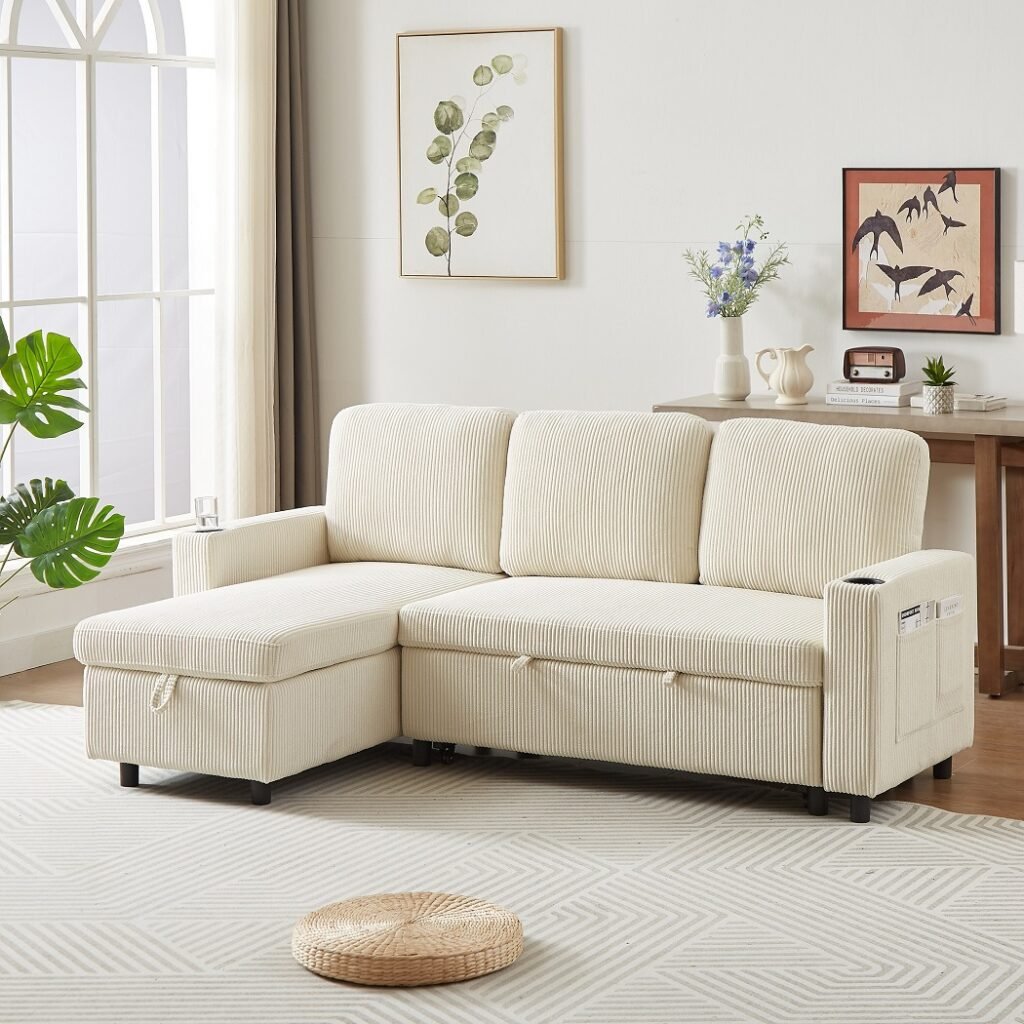
Foam is one of those materials that often goes unnoticed, yet it plays a crucial role in shaping our everyday comfort. From the mattress that supports your sleep each night to the sofa where you relax after a long day, foam is at the heart of what makes these experiences so enjoyable. But foam is far from a one-size-fits-all material; it comes in a wide range of types, each designed with unique qualities to meet specific needs. Whether it’s soft and plush for a cozy bed or firm and supportive for ergonomic seating, foam adapts to enhance our comfort in countless ways. Let’s take a deeper look at the everyday products made with foam and explore why this versatile material is so essential to making our lives more comfortable.
1. Mattresses: The Classic Comfort
When people think of foam, mattresses are usually the first thing that comes to mind. Foam mattresses, particularly those made from memory foam and latex, have revolutionized sleep.
- Memory Foam: Known for its slow, hugging feel, memory foam contours to your body shape, helping to reduce pressure points. It’s great for people with aches and pains or those who share beds since it isolates movement well.
- Latex Foam: Bouncing back quicker than memory foam, latex is naturally breathable and cooler, offering a supportive yet buoyant feel. It’s perfect for hot sleepers or those who shift positions frequently during the night.
Foam mattresses come with a variety of layers and densities to suit different preferences—from soft and plush to firm and supportive. The softness, resilience, and pressure relief properties help ensure better sleep quality, night after night.
2. Sofas and Lounge Chairs: Relax Right
The foam inside sofas and lounge chairs is crucial for both comfort and durability. Sitting on a sofa for hours demands foam that keeps its shape while feeling soft.
- High-Density Foam: Used often in sofa cushions, this foam strikes the balance between support and softness. It resists sagging even after repeated use.
- Memory Foam Layers: Some luxury sofas add a memory foam top layer for that “cloud-like” feeling. It molds to your body, relieving fatigue and making long evenings on the couch much more pleasant.
- Polyurethane Foam: A common and affordable option, polyfoam provides decent cushioning and is used widely in casual, everyday seating.
The kind of foam affects everything from how the sofa feels when you first sit down to how it holds up years later. Foam that’s too soft may flatten quickly, while foam that’s too firm can feel uncomfortable. The best sofas find a happy middle ground.
3. Cushions and Pillows: Small Details, Big Difference
Your favorite cushions and pillows rely on foam, too. Whether it’s a decorative throw pillow or a lumbar support cushion, foam shapes comfort and style.
- Shredded Memory Foam: This is a popular filling for pillows because it can be fluffed, molded, and adjusted to individual preferences.
- Latex Foam Pillow Cores: Provide solid support while remaining breathable. Ideal for sleepers who need firm neck support.
- Gel-Infused Foam: Some pillows include gel beads in the foam to help regulate temperature, keeping you cooler during warm nights.
Foam in cushions also retains its shape better than traditional fiber fills, making it a practical choice for both comfort and longevity.
4. Car Seats: Comfort on the Move
Long drives demand supportive seats, and foam plays a significant role in vehicle comfort. Most car seats use high-density polyurethane foam because it’s durable and provides a firm yet comfortable cushion that holds its shape despite constant use. Higher-end cars sometimes incorporate memory foam or gel inserts to reduce pressure for long trips and increase driver comfort. Good foam design in car seats can reduce fatigue and prevent pain from sitting too long, which is why automakers continually invest in foam technology.
5. Footwear: Step Softly
Believe it or not, your shoes depend heavily on foam for shock absorption and comfort.
- EVA Foam (Ethylene Vinyl Acetate): Lightweight and flexible, EVA foam is used in shoe soles and midsoles to cushion feet and absorb impact.
- Polyurethane Foam: Provides support and shape retention in more rigid footwear like boots.
Foam in shoes cushions your every step and makes walking, running, or hiking much more comfortable, protecting joints and muscles from harsh impacts.
6. Protective Gear: Safety with Comfort
From helmets to knee pads, foam helps keep you safe without sacrificing comfort. Expanded Polystyrene (EPS), found in many helmet liners, efficiently absorbs impact energy. Memory foam padding is used in some sportswear and motorcycle gear to provide shock absorption while molding to the body for a better fit. The use of foam makes protective gear less bulky while maintaining or even improving safety standards.
Why Foam Matters in Everyday Life
Foam’s unique properties—its ability to compress, rebound, cushion, and conform—are why it’s everywhere, quietly improving comfort and safety.
- It distributes weight evenly, reducing pressure points on mattresses, chairs, and shoes.
- It absorbs shocks and vibrations, protecting hands, feet, and heads.
- It adapts to shape and heat, making experiences more personal and comfortable.
- It adds durability and helps products last longer, whether it’s a sofa or car seat.
Choosing the Right Foam Products
When buying products with foam, here are a few tips:
- Density Matters: Higher density foam usually lasts longer and offers better support.
- Breathability: Especially in mattresses and cushions, breathable foam keeps heat and moisture away, which is important for warmer climates.
- Firmness: Choose foam firmness based on how the product will be used. Too soft can sag, and too firm can feel uncomfortable.
- Maintenance: Products with removable, washable covers help keep foam fresh.
Conclusion
Foam impacts our daily lives in more ways than we realize—enhancing sleep, providing comfort while sitting, softening our steps, and even improving the effectiveness of safety gear. Once you understand its role, it’s easy to see why a mattress or sofa feels so perfect or why your shoes provide much-needed cushioning with every step. The next time you relax in a cozy chair or rest your head on a plush pillow, you’ll recognize the quiet magic of foam, working behind the scenes to keep you comfortable, supported, and safe throughout your day.