When back pain becomes a constant, unwelcome passenger in your daily life, the search for a solution can feel endless. While many look to physical therapy or medication, one of the most effective changes you can make starts in your bedroom.
But here is the reality: not all foam is created equal. Each material offers a unique balance of support, pressure relief, and spinal alignment. Understanding these differences is the secret to waking up refreshed instead of stiff. Whether you’re battling lower back tension or looking to improve your posture, here is how to choose the right foam for your back health.
1. Memory Foam: The Custom-Contouring “Hug”
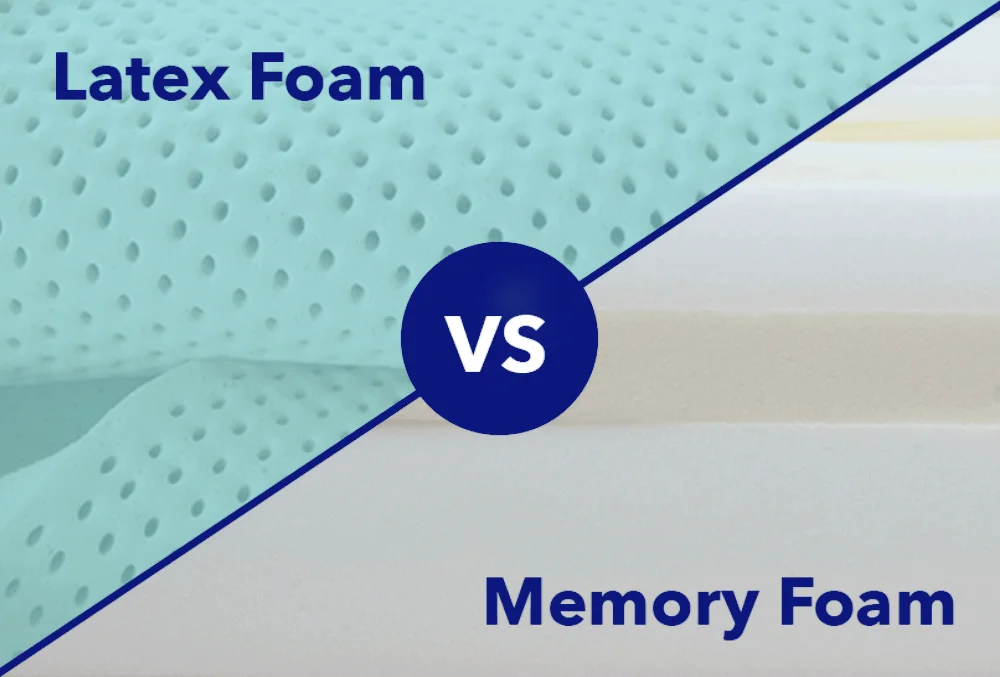
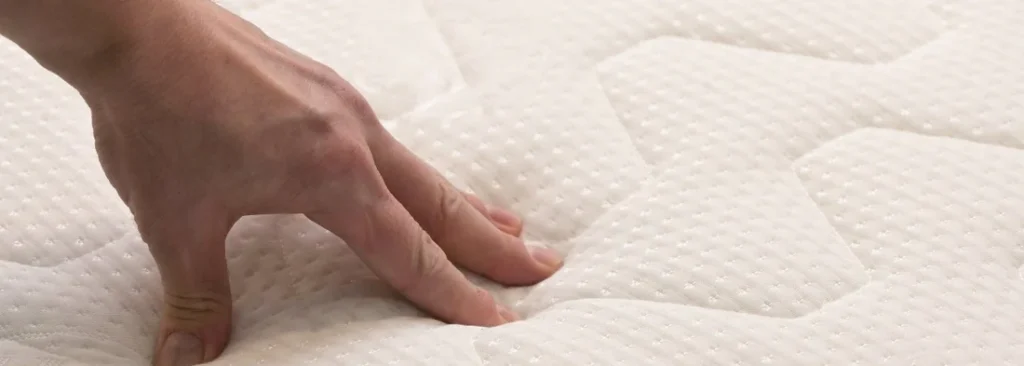
Memory foam (viscoelastic foam) is the most popular choice for targeted pain relief. It reacts to your body heat and weight to create a custom cradle.
- Why it helps: It excels at weight distribution. By contouring to your unique shape, it neutralizes pressure points in the hips and shoulders, allowing your spine to rest in its natural “S” curve.
- Best for: Side sleepers and those with sharp joint pain.
- What to look for: Aim for high-density memory foam (4lb or higher). Lower densities may feel soft initially but can sag over time, leading to more back pain.
2. Latex Foam: The Buoyant, “Lively” Alternative
If you hate the feeling of “sinking” into your bed, latex is your best friend. Harvested from rubber trees, it provides an immediate push-back that keeps you on top of the mattress.
- Why it helps: Latex is naturally more responsive. It supports your spine the moment you lie down without waiting for body heat to soften the material. It’s also incredibly breathable, making it perfect for “hot sleepers.”
- Best for: Back or stomach sleepers and eco-conscious shoppers.
- What to look for: Seek out 100% Natural Latex (Dunlop or Talalay) for the best durability and support.
3. Gel-Infused Foam: The Cooling Relief
A common complaint with traditional memory foam is that it traps heat. Gel-infused foam addresses this by incorporating cooling beads or liquid gel into the material.
- Why it helps: Inflammation in the back often feels worse when you’re overheated. This foam maintains the pressure-relieving benefits of memory foam while regulating your core temperature.
- Best for: People who suffer from night sweats but still need deep contouring for chronic back aches.
4. High-Density Foam (HDF): Support for Serious Conditions
High-density polyfoam is much firmer than standard options and is often used as the “orthopedic” base layer in high-end mattresses.
- Why it helps: HDF provides a rigid, non-sagging foundation. For those with sciatica or herniated discs, this level of firmness prevents the pelvis from sinking too deep, which can otherwise pinch nerves and worsen pain.
- Best for: Heavier individuals or those requiring medical-grade spinal stability.
5. Polyurethane Foam: The Versatile Budget Pick
Standard polyfoam is the most common material found in “mattress-in-a-box” options. While it’s more affordable, quality varies significantly.
- Why it helps: High-resilience (HR) polyfoam provides a consistent, medium-firm feel that works well for people with occasional, non-chronic back stiffness.
- Best for: Guest rooms or those on a budget who don’t have severe spinal issues.
Quick Guide: Matching Your Position to the Foam
| Sleep Position | Recommended Foam Type | Ideal Firmness |
| Side Sleepers | Memory Foam / Gel Foam | Soft to Medium |
| Back Sleepers | Latex / High-Density Foam | Medium-Firm |
| Stomach Sleepers | High-Density Foam | Firm |
| Hot Sleepers | Latex / Gel-Infused Foam | Varies |
Conclusion: Finding Your Perfect Match
There is no “perfect” foam—only the one that’s perfect for your back. If you need pressure relief for sore joints, memory foam is king. If you need to stay cool and feel supported on top of the bed, latex is the winner.
Investing in the right foam isn’t just about a new mattress; it’s about spinal health. When your spine is aligned, your muscles can finally stop working overtime, allowing your body to heal while you sleep.
Not sure which firmness you need? Would you like me to help you figure out the best foam density based on your specific body weight and sleeping style?