Tired of waking up every morning with a dull, aching lower back that takes hours to ease? A bad night’s sleep does more than ruin your mood; it strains your spine and keeps your body from recovering. When dealing with persistent discomfort, upgrading to the best mattress for back pain is often the single most effective change you can make for your sleep health.
However, walking into a showroom or browsing options online can quickly feel overwhelming. Every brand claims to offer a specialized orthopedic mattress, but what do medical specialists actually recommend?
Orthopedic doctors do not rely on marketing claims. Instead, they look for specific structural features that promote proper posture, distribute body weight evenly, and keep the spine neutral throughout the night.
Also Read: Best Orthopedic Mattress in Pakistan: Features to Consider
Proper Spinal Alignment Comes First
The primary feature orthopedic specialists evaluate is neutral spinal alignment. When you lie down, your spine should maintain its natural, soft S-curve, the same healthy curvature it has when you stand upright.
If your sleep surface is too soft, your hips sink excessively, causing your lower back to dip and strain your lumbar muscles. Conversely, if the surface is as hard as a wooden floor, your shoulders and hips get pushed upward, forcing your spine out of position and creating uncomfortable pressure points.
An effective medicated mattress supports the body’s natural contours, preventing unnatural bending that leads to morning stiffness.
Finding the Balance Between Firmness and Pressure Relief
A common myth is that an ultra-firm surface is automatically better for your back. Clinical studies and orthopedic specialists disagree. Research consistently shows that a medium-firm sleep surface provides the ideal balance of support and pressure relief for most people suffering from back discomfort.
| Firmness Level | How It Feels | Orthopedic Assessment |
| Extra Soft | Body sinks deeply into the material | Poor support; causes spinal sagging |
| Medium-Firm | Cushions pressure points while supporting spine | Recommended by most orthopedic doctors |
| Extra Firm | Rigid surface with minimal contouring | Can strain shoulders and hips; lacks contour |
When body weight is distributed evenly across the surface, key stress points like the lower back, hips, and shoulders experience less pressure. This allows surrounding muscles and ligaments to fully relax during deep sleep cycles.
Matching Material Construction to Sleep Habits
Not all supportive surfaces are built the same way. Orthopedic experts often evaluate how different core materials interact with your sleeping habits and local living conditions:
- High-Density Foam: Popular in specialized supportive beds, high-density foam offers a firm base that prevents sagging over time. It gives reliable, structured reinforcement under heavy pressure points.
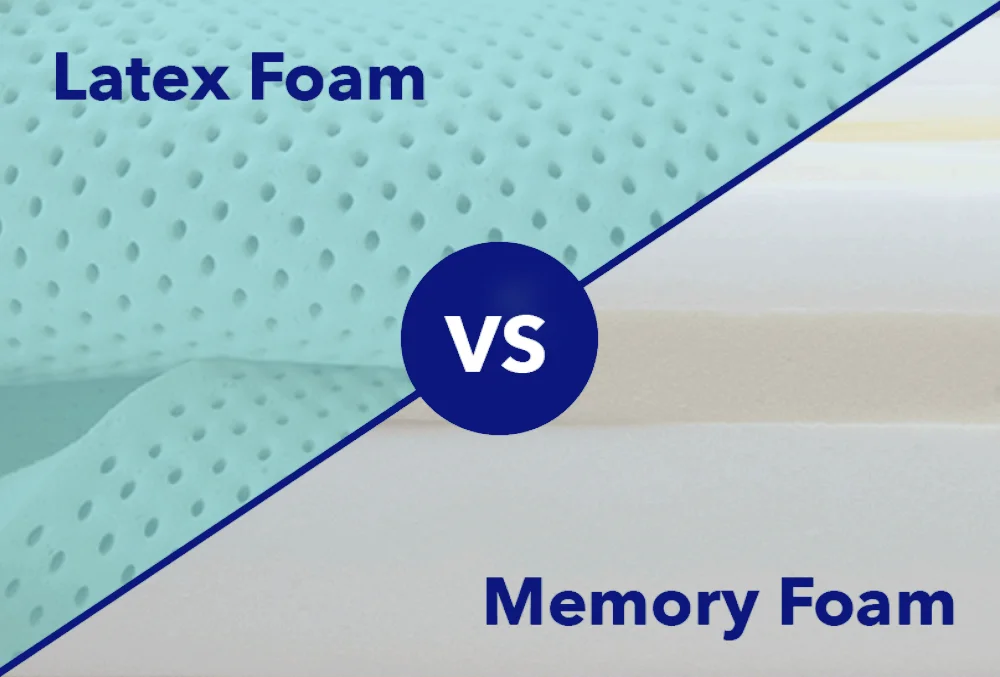
- Contouring Memory Foam: This material conforms closely to your natural curves, distributing body mass across a larger surface area. It is particularly helpful for side sleepers who experience hip or shoulder discomfort.
- Pocket Spring Hybrids: Combining wrapped steel coils with cushioned upper layers provides targeted regional support. Pocket coils react independently to movement, keeping the spine balanced while allowing air to flow freely through the core.
For warm climates, breathability becomes a major consideration. Heat retention causes tossing and turning, which disrupts sleep and leads to uncomfortable positions that strain the back. Opting for open-cell foams or breathable knitted fabrics keeps body temperature regulated for undisturbed rest.
Also Read: Foam for Your Back: Choosing the Right Type for Pain Relief and Alignment
How Your Sleeping Posture Directs Your Choice
Your primary sleep posture plays a vital role in determining which surface structure will keep your spine aligned:
Back Sleepers
Back sleepers require a medium-firm core that supports the lower back without forcing the spine flat. Look for materials that fill the small gap beneath your lumbar curve.
Side Sleepers
Side sleeping puts significant pressure on the shoulders and hip joints. A slightly softer medium-firm surface cradles these wider areas, keeping the spine in a straight line parallel to the bed.
Stomach Sleepers
Stomach sleeping is generally discouraged by doctors because it strains the neck and flattens the spine’s natural arch. However, if you prefer this position, choose a firmer base to keep your hips elevated and prevent deep sinkage.
Essential Qualities to Look For Before Buying
When selecting the best mattress for back pain, keep this checklist in mind:
- Core Material Density: Higher density means longer-lasting structural integrity without body impressions or sagging.
- Edge Support: Reinforced edges make getting in and out of bed much easier, especially if you experience acute lower back stiffness in the morning.
- Breathability: Advanced airflow layers help dissipate trapped heat during warm seasons, preventing restless movements.
- Vibration Control: If you share a bed, isolated motion response prevents a partner’s movements from disturbing your spinal position.
Prioritizing Long-Term Spine Health for Restful Sleep!
Choosing a supportive sleep surface is a direct investment in your daily mobility, posture, and overall quality of life. By focusing on neutral spinal alignment, proper core density, and balanced pressure relief rather than subjective marketing labels, you can confidently find a surface that keeps your spine healthy and pain-free every night.
Read More: 6 Reasons Why Supreme Ortica is the Best Mattress for Back Pain in Pakistan
Frequently Asked Questions
Is a very hard surface always better for back pain?
No, an excessively hard surface pushes against your natural curves instead of supporting them. Medium-firm surfaces are generally recommended because they provide structured support while allowing key joint areas to sink in slightly for relief.
How do I know if my current bed is causing lower back stiffness?
If you regularly wake up with stiffness that improves within an hour of stretching and moving around, your sleep surface may lack adequate lumbar support. Visible sagging, soft spots, or body impressions are clear signs it needs replacement.
What size bed is best for relieving body aches?
Size depends on your bedroom space and personal needs, but standard King (78×72 inches) or Queen (78×66 inches) dimensions offer ample space to change positions naturally without twisting your spine.
Can a foam topper fix a sagging bed?
A mattress topper can add a temporary layer of softness, but it cannot restore structural support to a mattress that is already dipping in the middle. A worn-out core requires a complete replacement to maintain healthy alignment.
How often should a supportive bed be replaced?
Most high-density or specialized orthopedic surfaces last between 8 and 10 years. If you notice physical dips, broken springs, or increased morning body pain, it is time to upgrade.