Is your prayer mat due for a wash, but you’re afraid the washing machine will ruin it? A prayer mat, or JaNamaz, holds a special place in every Muslim household. Since it’s used daily for salah, keeping it clean isn’t just about hygiene; it’s also about maintaining the spiritual purity (taharah) required for prayer. Naturally, many people wonder: can you toss your janamaz into the washing machine, or does it need special care?
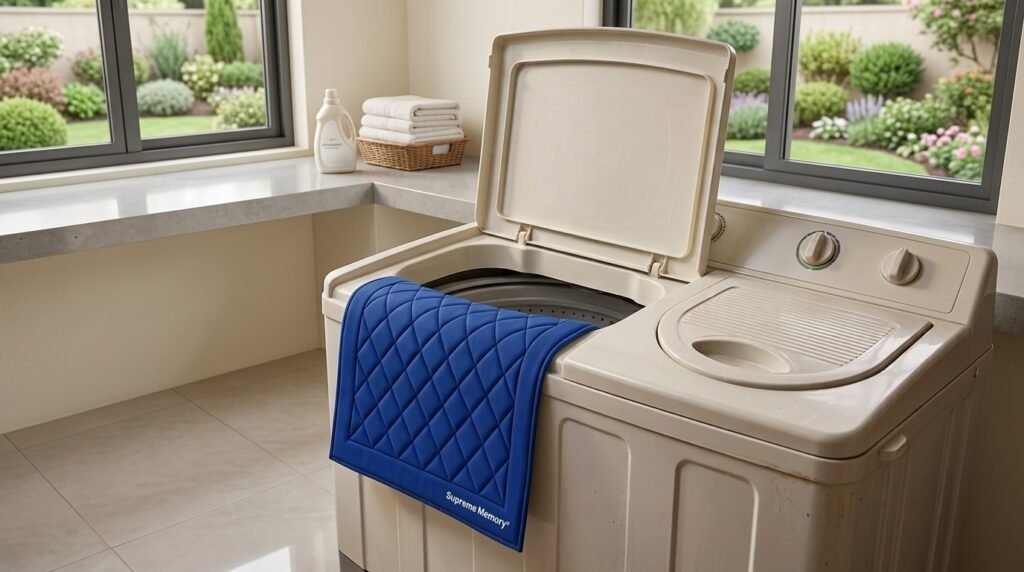
The short answer is yes, most prayer mats can be washed in a washing machine, but with a few important precautions depending on the mat’s material, size, and design. Let’s break it down.
Why You Have to Clean a Prayer Mat
In Islam, cleanliness is considered half of faith, and the space used for prayer must be free of najasah (impurities). Over time, prayer mats collect dust, sweat, dead skin cells, pet hair, and sometimes stains from spills or outdoor use. A dirty mat doesn’t just look unpleasant, it can also carry bacteria and allergens that affect your health and your comfort during prayer.
That’s why regular washing, whether by hand or machine, is essential to keeping your JaNamaz fresh and suitable for daily worship.
Can Every Prayer Mat Go in the Washing Machine?
Not all prayer mats are created equal, and the washing method largely depends on the material:
1. Cotton and Polyester Blend Mats
These are the most common and machine-friendly. Most everyday prayer mat sold in stores are made from cotton, polyester, or a blend of both. These fabrics are durable and can typically handle a gentle machine wash without losing shape or color.
2. Velvet or Chenille Prayer Mats
Velvet mats, popular for their soft texture and intricate designs, require more caution. Machine washing on a high spin cycle can crush the pile (the soft fuzzy texture) and damage embroidery or foam padding underneath. If your mat has foam backing, it’s safer to hand wash or use a very gentle, low-spin cycle.
3. Silk or Heavily Embroidered Mats
Mats with silk threads, metallic embroidery, or decorative tassels should generally avoid the washing machine altogether. These delicate materials can fray, unravel, or lose their sheen. Spot cleaning or professional dry cleaning is a better option here.
4. Foam-Padded or Memory Foam Mats
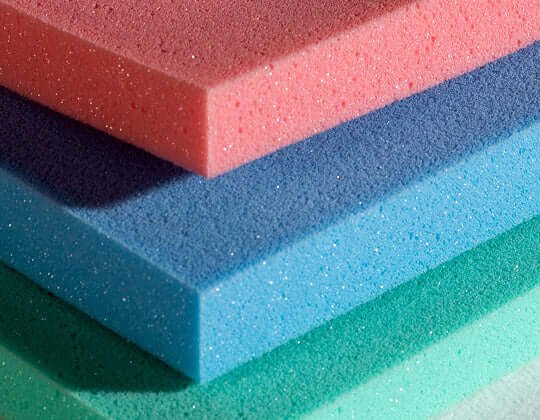
Many modern jaye namaz come with a cushioned foam layer or memory foam, such as Memory Foam Prayer Mat, for comfort during long prayers or sujood. Machine washing can cause the foam to bunch up, tear, or lose its shape. Always check the care label before machine washing these.
How to Safely Machine Wash a Prayer Mat
If your mat is machine-safe, follow these steps for the best results:
- Check the care label first — this tells you the manufacturer’s recommended washing method.
- Shake off loose dust and debris outdoors before washing.
- Use a mesh laundry bag to protect embroidery, tassels, or fringes from tangling.
- Wash in cold or lukewarm water on a gentle cycle to prevent shrinking or color fading.
- Avoid harsh detergents or bleach — a mild, fragrance-free detergent works best and is more suitable for something used in worship.
- Skip the dryer — air-dry the mat flat or hang it in the shade to preserve its shape, especially if it has foam padding.
When Hand Washing is the Better Choice
If your ja namaz is old, delicate, richly embroidered, or has a padded/foam base, hand washing is the safer route. Simply:
- Soak the mat in lukewarm soapy water for 10–15 minutes.
- Gently scrub any stains with a soft brush or cloth.
- Rinse thoroughly to remove all soap residue.
- Lay flat to air dry, avoiding direct sunlight, which can fade colors over time.
Tips to Keep Your JaNamaz Cleaner for Longer
- Use it only for prayer, not as a general floor mat.
- Store it rolled or folded in a clean, dry place.
- Air it out occasionally to prevent musty odors.
- Wash it every 1–2 weeks, or more often if used by children or in dusty environments.
Conclusion: Is it Machine-Washable?
So, can you wash a prayer mat in a washing machine? In most cases, yes, as long as you check the fabric type and follow gentle washing practices. Simple cotton or polyester mats handle machine washing well, while delicate, embroidered, or memory foam mats are better off hand-washed or dry cleaned. Either way, keeping your JaNamaz clean ensures your prayers are performed in a space that’s both physically fresh and spiritually pure.
Read More: Supreme Memory Foam Prayer Mat – The Most Comfortable Janamaz For Daily Salah
Frequently Asked Questions (FAQs)
- How often should I wash my prayer mat?
Ideally, wash your prayer mat every 1–2 weeks. If it’s used by children, placed on the floor in high-traffic areas, or exposed to dust and pet hair, weekly washing is recommended to keep it hygienic for daily salah.
- Can I use fabric softener or scented detergent on my JaNamaz?
It’s best to avoid strong fragrances or fabric softeners. Many scholars and users prefer a mild, fragrance-free detergent since the mat is used for worship, and heavy scents or chemical residue can be distracting during prayer.
- Will machine washing shrink or damage the prayer mat’s design?
It can, especially with embroidered, velvet, or foam-padded mats. Washing on a gentle cold-water cycle and avoiding the dryer significantly reduces the risk of shrinkage, color fading, or damage to decorative threadwork.
- What’s the best way to remove tough stains from a ja namaz?
For stubborn stains, pre-treat the area with a mild soap and soft brush before washing. Gently scrub in circular motions, then rinse thoroughly. Avoid bleach, as it can discolor fabric and weaken fibers over time.