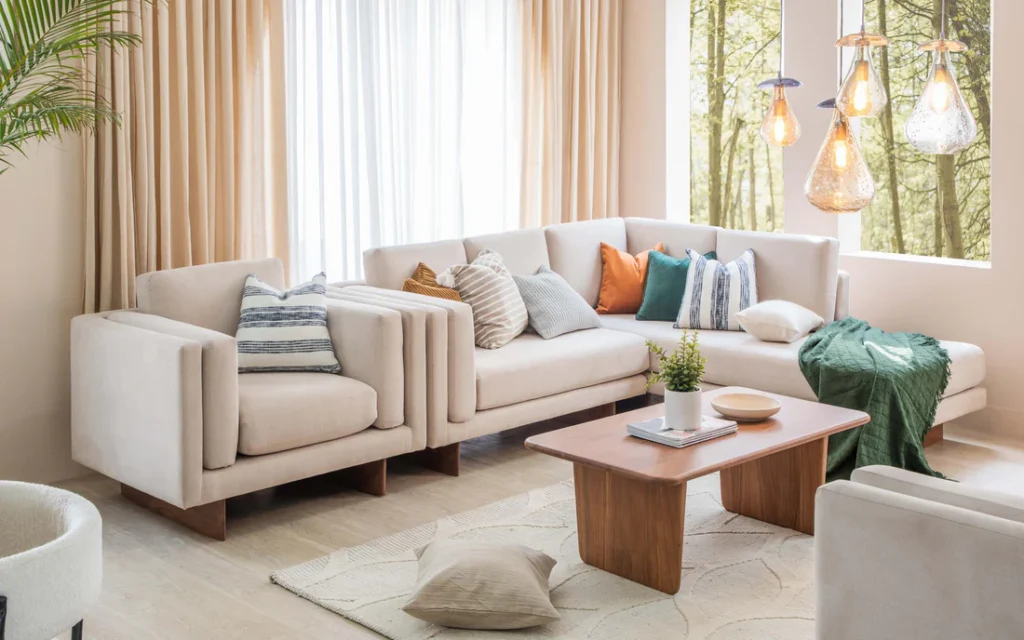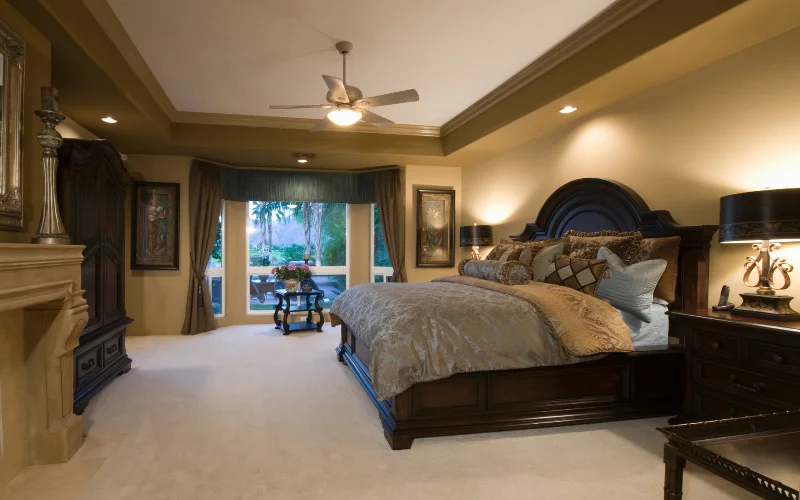
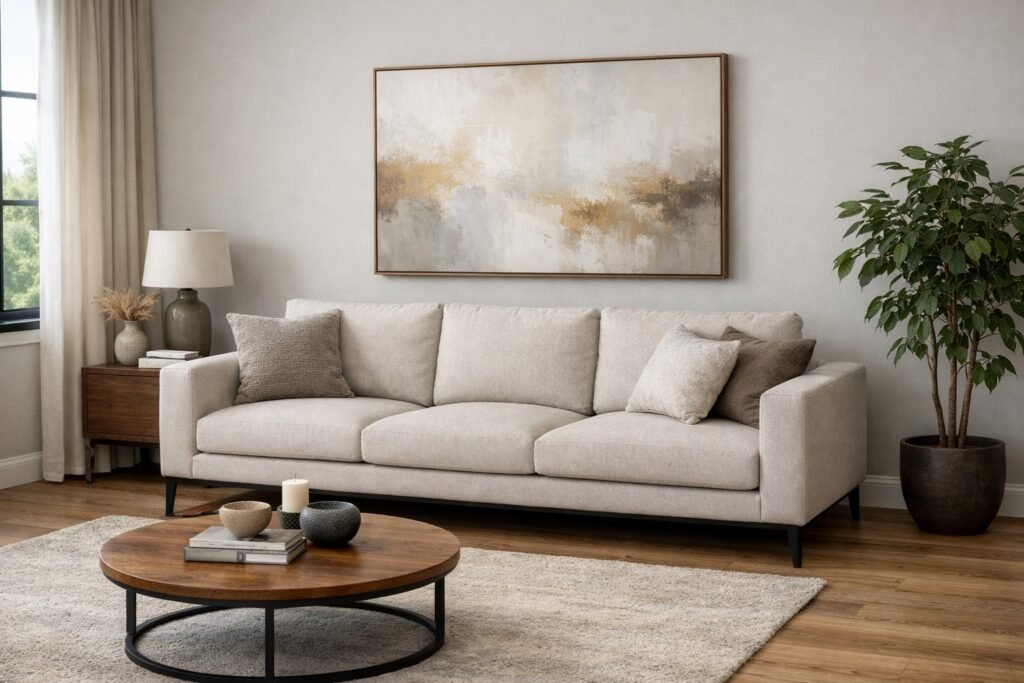
When designing a living room or any space where comfort and aesthetics come into play, one of the most important decisions is how to arrange your home furniture, particularly the sofa. The popular debate often revolves around one question: Should the sofa face the window or away? Let’s explore the benefits and drawbacks of both these approaches and figure out how to make the best choice based on your particular needs and overall interior.
The Sofa Placement Decision Matrix
| If your priority is… | Position the sofa… | Pro-Tip |
| Natural Light/Wellness | Facing the Window | Use sheer linens to diffuse harsh glare. |
| Media/TV Viewing | Facing Away | Ensures no screen reflections. |
| Small Room Flow | Perpendicular | Balances light without blocking the view. |
Facing the Window: Embrace Natural Light and Scenic Views
Pros:
Maximizing Natural Light: Positioning your sofa facing the window allows you to take advantage of the natural light streaming into the room. Daylight is essential for creating a welcoming, vibrant space, and having your couch facing the window ensures that you soak in as much of it as possible.
Connecting with the Outdoors: If you have a beautiful view, whether it’s of your garden, a park, or even the city skyline, facing the window can make you feel connected to nature. A sofa facing the window offers the perfect spot to relax and enjoy the changing scenery.
Mood Booster: Natural light has been shown to boost mood, reduce stress, and increase productivity. By positioning your sofa near the window, you’re creating a bright and airy atmosphere that can elevate your well-being.
Cons:
Glare Issues: One potential downside of facing a window is the glare from direct sunlight, which can make it uncomfortable to sit and watch TV, read, or use your devices. The solution? You might need heavy curtains or blinds to filter the light.
Distractions: While natural views are lovely, they can also be distracting. If your window overlooks a busy street or your backyard, you might find yourself more focused on the outside world than on the activities inside your home.
Away from the Window: Creating a Cozy, Intimate Setting
Pros:
Focused Layout: Facing the sofa away from the window helps create a more intimate, focused space. The layout of the room feels less disjointed and more cohesive, particularly if you’re arranging furniture for conversation or media viewing. It helps to set a clear focal point, whether it’s the TV, a fireplace, or a central piece of art.
Privacy: For those who value privacy, this particular placement can shield you from prying eyes outside. It provides a sense of seclusion, allowing you to enjoy your personal space without worrying about what’s happening outside.
Avoiding Glare: If glare is a concern, positioning the sofa away from the window ensures that you won’t be bothered by harsh sunlight. This is particularly useful if you have a TV in the room and want to avoid screen reflections.
Cons:
Loss of Natural Light: When the sofa is facing away from the window, you may lose out on some of the benefits of natural light. The room can feel darker, especially in the afternoon or during winter months when daylight is limited.
Limited Views: If you have a beautiful view outside, positioning the sofa away from the window means you’ll miss out on that connection with nature. In such cases, you might consider other ways to incorporate the outdoors into your space, such as placing decorative plants near the window.
Factors that Matter in Layout
Your decision on whether the sofa should face the window or away largely depends on several key factors:
Room Layout: The size and shape of your room can significantly influence your decision. For example, a long, narrow living room may benefit from the sofa being placed against a wall, while a more square space might be better suited to having it face the window.
Functionality: What do you primarily use the room for? If you enjoy watching TV or socializing, you may want the sofa to face a central focal point, whether that’s the TV, a fireplace, or even a piece of art. If relaxation and enjoying views are a priority, facing the window could be a better option.
Lighting Conditions: Consider the direction of the sun and the amount of natural light you get throughout the day. If the window faces east or west, you may experience intense sunlight during certain times of day. In such cases, using shades, curtains, or blinds can help you control the light while still enjoying the view.
Privacy and Aesthetics: If privacy is important, or if you want to create a more cozy, enclosed space, facing the sofa away from the window could be your best choice. Additionally, some people prefer the aesthetic of a room with furniture positioned around a focal point, such as a fireplace or a TV, rather than focusing on the view outside.
How to Incorporate Both: A Balanced Approach
If you’re torn between the two options, why not combine the best of both worlds? A popular design choice is to place the sofa at an angle, slightly turned toward the window, which allows you to enjoy both the natural light and the view without completely sacrificing a focal point inside the room.
Alternatively, you can arrange the sofa to face a wall or entertainment center, while placing accent chairs or a small reading nook by the window for relaxation and scenic enjoyment.
Conclusion: Create a Space that Inspires!
There’s no definitive answer to whether your sofa should face the window or away. It all boils down to your personal preferences, lifestyle, and the specific layout of your room. Consider the lighting, privacy, and purpose of the space when making your decision.
Whether you’re maximizing natural light or creating an intimate space for entertainment, both options can be stylish and functional when done thoughtfully.
Ultimately, the key is to design a space that makes you feel comfortable, relaxed, and inspired. Your sofa should be a place where you can unwind, whether facing the window for the view or turning away for a cozy, focused experience.
FAQs
- What is the best position for a sofa in a living room?
The best position for a sofa depends on the layout of the room and personal preferences. A common recommendation is to place it facing the window to allow for natural light and views. However, depending on the space, facing the sofa away from the window can create a cozier and more functional setting. Consider factors like lighting, room size, and focal points when deciding on the ideal placement.
- Should a sofa face a window for natural light?
Yes, facing a sofa toward a window lets you maximize natural light, which can brighten the space and create a more inviting atmosphere. However, it’s important to consider glare or heat from direct sunlight. If the room gets too much sunlight, positioning it slightly away from the window may make it more comfortable.
- How do I arrange my sofa to make the most of a window view?
To make the most of a window view, position your sofa so that it faces the window directly, ensuring unobstructed views. If the room layout doesn’t allow for this, try angling it towards the window or placing it across the room with side access to the view. This arrangement can enhance both aesthetics and functionality.
- What are the pros and cons of placing a sofa away from the window?
Placing a sofa away from the window offers a more balanced room layout, often leading to better TV or conversation areas. It also allows for greater privacy if the window faces a busy street. On the downside, you may miss out on the natural light and views that a window-facing piece of furniture provides.