Looking to create a beautifully furnished home that does not pose any threat to the environment? Eco-friendly furniture choices can transform that dream into reality. You can now choose sustainable as well as stylish alternatives that beautify your home and keep the environment greener.
So, as environmental awareness continues to grow, more homeowners are looking for ways to make their living spaces greener and more sustainable. Hence, the ideal choice is eco-friendly pieces. From responsibly sourced materials to long-lasting designs, sustainable furniture not only reduces your carbon footprint but also promotes healthier indoor living. This detailed guide is for furniture design enthusiasts and eco-conscious homeowners seeking sustainable alternatives and creating greener living. So, let’s explore!
What Is Eco-Friendly Furniture?
Eco-friendly furniture refers to pieces that are designed and manufactured with minimal environmental impact. Compared to traditional furniture, they offer improved indoor air quality and reduced waste. The goal is to reduce waste, conserve natural resources, and minimize pollution. Their key features include:
- Sustainably sourced materials
- Recycled or upcycled components
- Non-toxic finishes and adhesives
- Durable construction for long-term use
- Ethical production processes
Why Choose Sustainable Furniture Over Traditional?
1. Reduces Environmental Impact
Traditional furniture production often involves deforestation, harmful chemicals, and high energy consumption. Eco-friendly options help conserve resources and lower emissions.
2. Improves Indoor Air Quality
Many conventional furniture items release volatile organic compounds (VOCs), which can harm your health. Sustainable furniture uses low or zero-VOC finishes.
3. Promotes Longevity
Eco-friendly furniture is usually built to last, reducing the need for frequent replacements and minimizing waste.
4. Supports Ethical Practices
Choosing sustainable brands often means supporting fair labor practices and responsible manufacturing.
Key Materials Used in Eco-Friendly Furniture
Understanding materials is essential when shopping for sustainable furniture:
- Reclaimed Wood: Salvaged from old buildings or furniture, reducing the need for new timber.
- Bamboo: A fast-growing, renewable resource that’s both durable and stylish.
- Recycled Metal and Plastic: Helps reduce landfill waste.
- Organic Fabrics: Such as organic cotton, hemp, and linen.
- Rattan and Cane: Natural, biodegradable, and lightweight materials.
Examples of Eco-Friendly Furniture
1. Reclaimed Wood Dining Tables

Dining tables made from reclaimed wood are both rustic and environmentally responsible.
These tables reuse timber from old barns, factories, or ships, giving new life to materials that would otherwise go to waste.
- Reduces deforestation
- Minimizes waste
- Unique, one-of-a-kind designs
2. Bamboo Bed Frames
Bamboo is one of the most sustainable materials available due to its rapid growth rate. Bamboo bed frames are strong, lightweight, and modern in appearance.
- Highly renewable
- Requires less water and pesticides
- Biodegradable
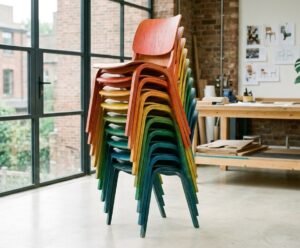
3. Recycled Plastic Outdoor Furniture
Outdoor chairs and tables made from recycled plastic are durable and weather-resistant.
- Diverts plastic from landfills
- Long lifespan reduces replacement frequency
- Low maintenance
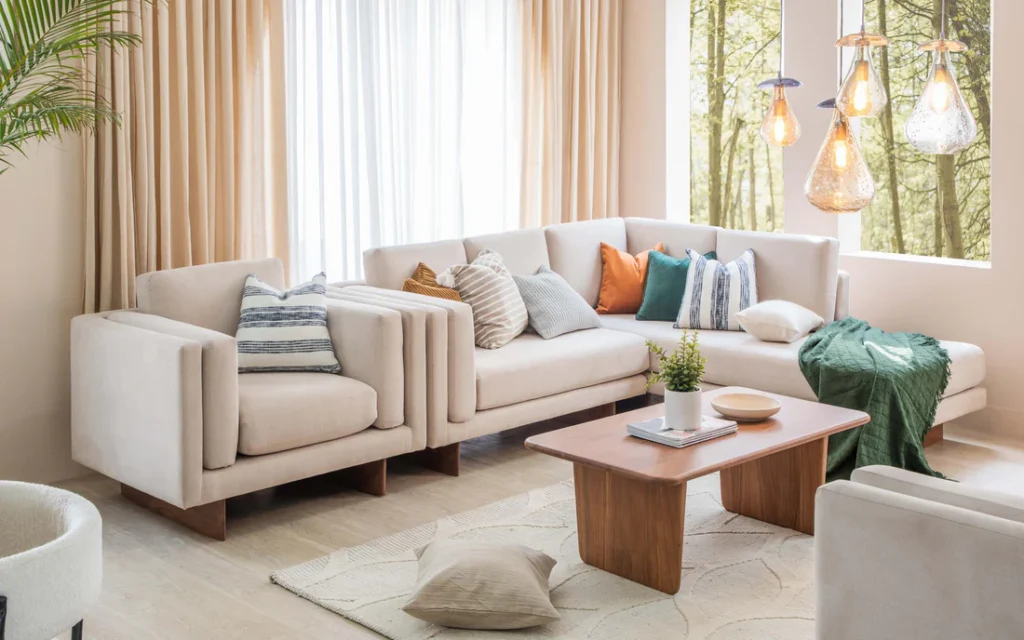
4. Modular Sofas with Sustainable Upholstery
Modular sofas made with organic fabrics and FSC-certified wood frames allow you to replace sections instead of the entire piece.
- Reduces waste through replaceable parts
- Uses non-toxic materials
- Long-term usability
5. Upcycled Furniture Pieces
Upcycling involves transforming old furniture into new, functional items. For example, turning an old door into a coffee table or repurposing wooden crates into shelves.
- Prevents landfill waste
- Encourages creativity
- Requires fewer new resources
6. Cork Furniture
Cork is harvested from the bark of cork oak trees without cutting them down, making it a renewable material.
- Renewable and biodegradable
- Lightweight and versatile
- Naturally resistant to mold and pests
7. Vintage and Second-Hand Furniture
Buying pre-owned furniture is one of the most sustainable choices you can make.
- Extends product life cycle
- Reduces demand for new production
- Often more affordable
Tips for Choosing Eco-Friendly Furniture
- Avoid particleboard with harmful adhesives
- Choose timeless designs that won’t go out of style
- Prioritize quality over quantity
- Support local artisans and manufacturers
Eco-friendly furniture is just one step. You can further enhance sustainability by:
- Using energy-efficient lighting
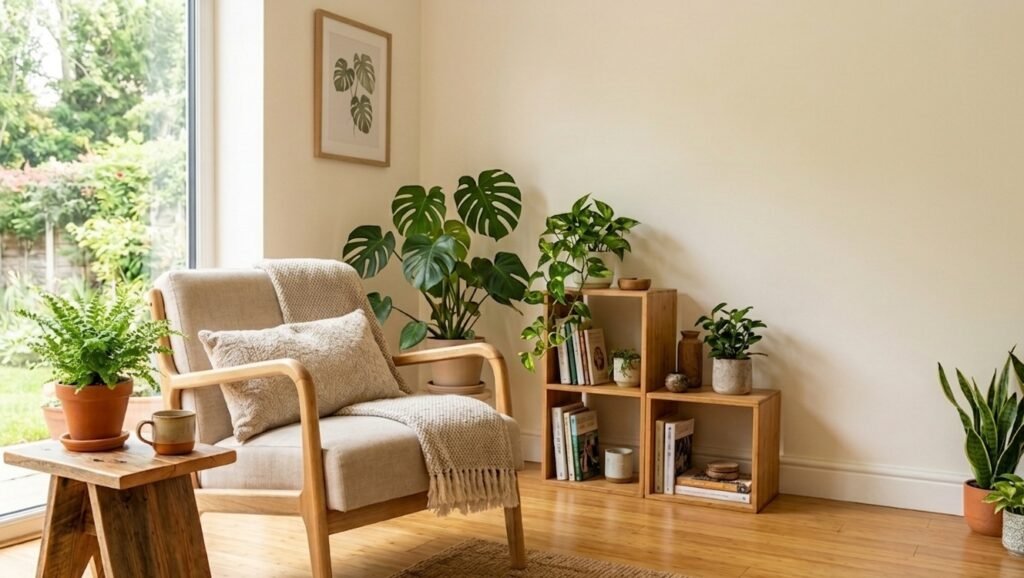
- Incorporating indoor plants
- Reducing single-use plastics
- Choosing eco-friendly décor and finishes
Conclusion: Creating a Sustainable Home Beyond Furniture
Creating a sustainable home starts with mindful choices, and furniture plays a major role in that journey. Whether it’s a reclaimed wood dining table, a bamboo bed, or a vintage chair, every sustainable choice brings you one step closer to a greener future.
By choosing these eco-friendly materials, durable designs, and ethical brands like Diamond Home Pakistan, you not only help conserve the environment but also create a healthier, more stylish living space. At Diamond Home Furniture, we promote a greener environment and provide sustainable furniture choices that leave a minimal impact on the environment.
FAQs
- What is eco-friendly furniture, and why is it important?
Eco-friendly furniture is made from sustainable, recycled, or non-toxic materials with minimal environmental impact. It is important because it reduces deforestation, lowers carbon emissions, improves indoor air quality, and supports ethical manufacturing practices.
- What materials are commonly used in sustainable furniture?
Common materials used in eco-friendly furniture include reclaimed wood, bamboo, recycled metal, recycled plastic, cork, rattan, and organic fabrics like cotton and hemp. These materials are renewable, biodegradable, or repurposed to reduce environmental harm.
- Is eco-friendly furniture more expensive than regular furniture?
Eco-friendly furniture can sometimes have a higher upfront cost due to sustainable sourcing and ethical production. However, it is often more durable and long-lasting, making it a cost-effective investment over time while benefiting the environment.