Humidity is the silent killer of expensive furniture. If you’ve ever lived in a damp or tropical climate, you’ve seen it happen: a sofa that felt firm and “bouncy” in the showroom starts feeling mushy and damp after just one season. Most people think it’s just wear and tear, but the truth is actually a bit more scientific—it’s a chemical breakdown caused by trapped moisture.
Standard upholstery foam acts like a dense, heavy sponge. It pulls water vapor into its core and holds it there. Over time, that moisture weakens the internal bonds of the foam, leading to that “saggy” look that makes a living room look old before its time.
This is exactly where Open-Cell Foam Technology changes the game. By changing how air and moisture move through the padding, this tech ensures your furniture stays supportive and dry, even when the air outside feels like a sauna.
The Breathability Factor: Open-Cell vs. Closed-Cell
When we talk about moisture control, the “architecture” of the foam is everything.
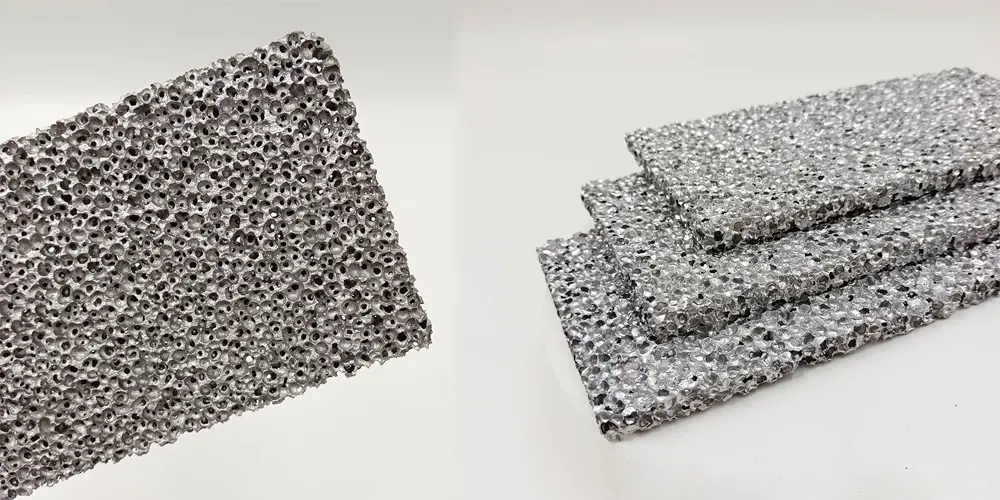
Closed-cell foam is made of tiny, isolated air bubbles that don’t touch one another. It’s great for life jackets, but it’s a nightmare for sofas. It creates a “wall” that traps heat and humidity inside the cushion. There’s nowhere for the moisture to go, so it sits there, rotting the material from the inside out and making the seat feel sticky.
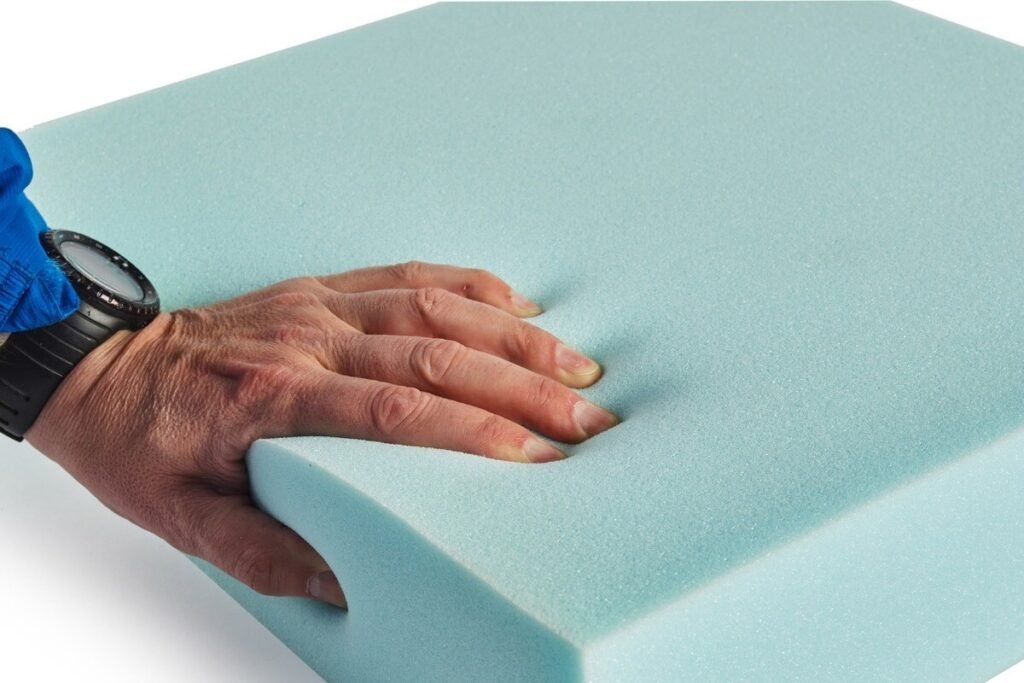
Open-cell foam works differently. Think of it as a massive network of tiny, interlinked tunnels. This design offers two huge wins for your furniture:
- The Bellows Effect: Every time you sit down, the foam compresses and forces out old, damp air. When you stand up, it draws in fresh, dry air. It’s essentially “breathing” every time it’s used.
- Zero Pooling: Instead of water vapor getting stuck, it passes through the tunnels and evaporates. This stops the chemical “softening” that causes permanent sagging.
The “Muscle” Behind the Foam: HR Chemistry
If the open cells provide the breathability, then High-Resilience (HR) Chemistry provides the muscle.
In high-humidity areas, moisture acts as a plasticizer. That’s just a fancy way of saying it turns the chemical bonds in regular foam into something more like putty. This leads to what engineers call “compression set”—when the foam gets squashed and stays squashed.
Premium HR foam is built differently. It has a higher polymer content and an uneven cell structure. This “irregularity” is its secret weapon; it provides way more “push-back” than the cheap stuff. Even when the air is thick with moisture, HR cushions fight to return to their original height, creating a base that’s almost impossible to sag.
3 Reasons Why This Matters for Your Home
- No More “Old Sofa” Smell: Conventional foam traps dampness, which quickly leads to mold, mildew, and that funky, musty smell. Open-cell foam stays “vented,” keeping things fresh and hypoallergenic.
- Stay Cool: We’ve all felt that “sticky” sensation when sitting on a couch on a hot afternoon. Because open-cell foam doesn’t trap heat, your body heat escapes through the sofa instead of bouncing back at you.
- Investment Protection: A sofa using standard foam might look good for a year. A sofa engineered with open-cell HR foam will look and feel exactly the same in year ten as it did on day one.
The Bottom Line
When we shop for furniture, we usually look at the fabric or the frame. But the real life of a sofa happens inside the cushion. Your furniture needs to breathe just as much as you do.
Resilience isn’t just about being “hard” or “firm”—it’s about being flexible enough to adapt, bounce back, and stay dry when the environment gets tough. If you want furniture that actually lasts, you have to look for the engineering inside.