
When you’re on the hunt for a better night’s sleep, “comfort” is usually the first thing on your mind. But lately, a new question is keeping people awake: What exactly am I lying on for eight hours every night?
We’re seeing a massive shift in the bedding world. People are moving away from mystery chemicals and embracing plant-based foam options. These modern alternatives provide that same “cloud-like” support we love, but they do it in a way that’s much kinder to both your body and the planet.
The Hidden Cost of Traditional Memory Foam
Most of us grew up sleeping on petroleum-based foams. While they revolutionized pressure relief, they often come with a “hidden” environmental and health price tag:
- The “New Mattress” Smell: Traditional foams often release Volatile Organic Compounds (VOCs). This “off-gassing” isn’t just a strange scent—it can lead to headaches or a scratchy throat for sensitive sleepers.
- A Heavy Carbon Footprint: Manufacturing synthetic foam is an energy-heavy process that relies almost entirely on fossil fuels.
- The Landfill Problem: Most synthetic beds simply don’t break down. This means thousands of old mattresses end up in landfills every year, where they sit for centuries.
4 Sustainable Materials for a Better Night’s Rest
The good news? You don’t have to choose between a sore back and a clean conscience. Here are the leading eco-friendly materials redefining the industry today:
1. Natural Latex: Nature’s Original Foam
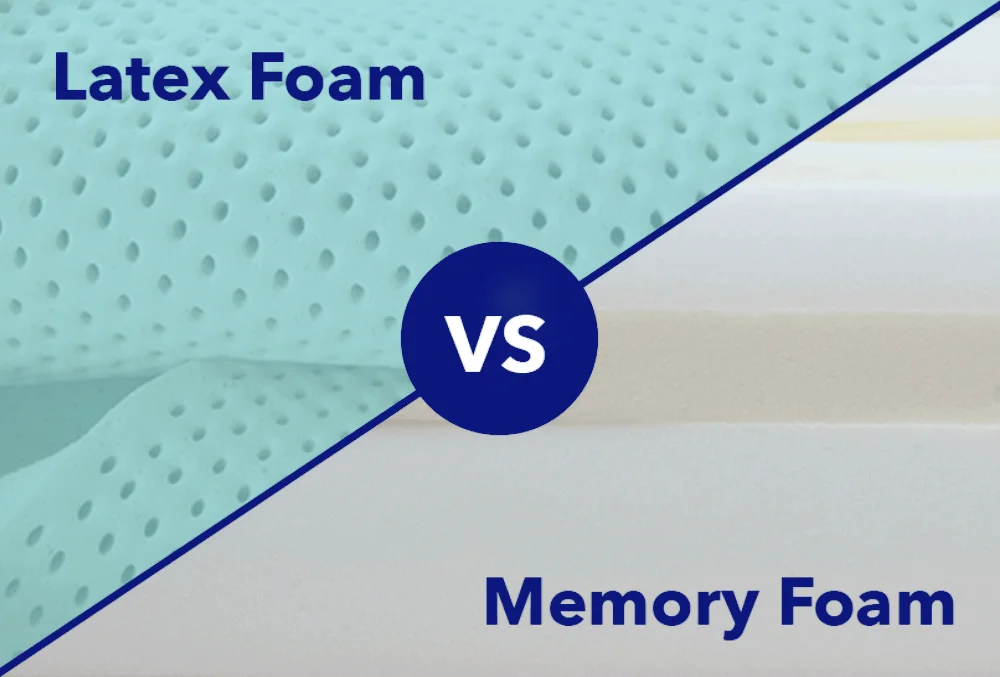
Natural latex is harvested from the milky sap of rubber trees. It is widely considered the most sustainable material in the world of sleep.
- The Feel: It’s “bouncier” than memory foam, meaning you get great support without that stuck-in-the-mud feeling.
- The Perks: It’s naturally resistant to dust mites and mold, which is a massive win for allergy sufferers.
- Pro Tip: Look for the GOLS (Global Organic Latex Standard) tag. This is your guarantee that the bed is made from real trees, not a chemical cocktail.
2. Plant-Based Memory Foam
If you love the way memory foam “hugs” your body but want to skip the heavy chemicals, this is your middle ground. Manufacturers replace a significant portion of the oil-based ingredients with natural oils from soy, castor beans, or sunflowers.
- The Difference: It actually sleeps much cooler than old-school memory foam. The plant-rich cellular structure allows for much better airflow, so you don’t wake up overheated.
3. Soy-Based Support Foams
Soy foam is often used in the base layers of a mattress to keep things sturdy and aligned.
- Why it Works: It provides a firm, reliable foundation that helps keep your spine in a neutral position.
- Eco-Impact: Since soy is a renewable crop, it takes significantly less energy to produce than standard crude-oil foams.
4. Coconut Coir and Natural Fibers
For a truly “earth-first” bed, some designs ditch foam entirely in favor of coconut coir—fibers taken from the outer shell of a coconut.
- Cooling Power: Coconut husks are incredibly breathable. When manufacturers pair them with organic wool or cotton, they create a sleep surface that naturally regulates your body temperature all night long.
How to Spot the Real Deal (No Greenwashing)
“Eco-friendly” is a buzzword that gets thrown around a lot these days. To make sure you’re actually getting a sustainable product, keep an eye out for these gold-standard certifications:
| Certification | What it Actually Means |
| CertiPUR-US® | The foam is made without mercury, lead, or formaldehyde. |
| GOTS / GOLS | The highest standard for organic fabrics (GOTS) and latex (GOLS). |
| OEKO-TEX® | Guarantees every single thread and button has been tested for harmful substances. |
The Bottom Line: Sleep Green, Live Green
Switching to a plant-based mattress isn’t just a trend—it’s a better way to live. These materials last longer, breathe better, and won’t leave a toxic legacy behind. When you choose a natural sleep surface, you can finally rest easy knowing your comfort isn’t coming at the planet’s expense.