
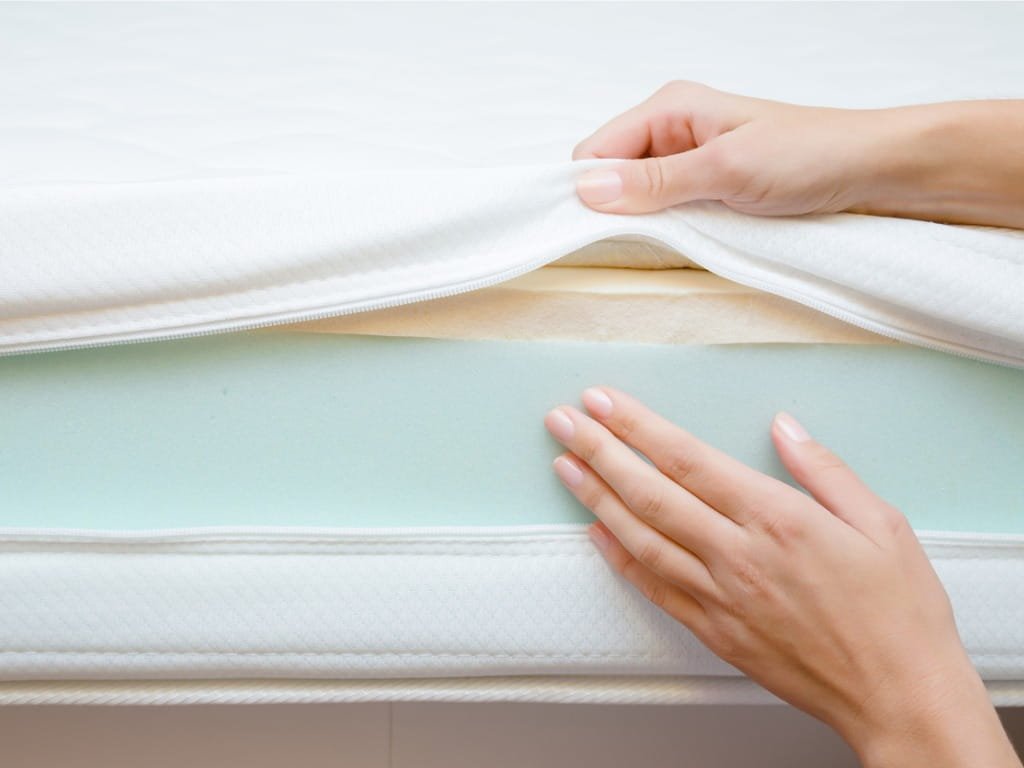
That satisfying feeling of sinking into your mattress at the end of a long day is no accident—it’s the result of smart engineering and the unique chemistry of foam. Modern mattress foams are carefully designed to balance comfort, support, airflow, and durability. For people living in hot or humid climates, this chemistry becomes even more important. The right foam can keep you cool, supported, and free from allergens all night long.
Let’s take a closer look at what’s inside common mattress foams—and how to choose the best one for your sleep style.
The Basics of Foam: A Network of Bubbles
At its core, foam is a network of tiny bubbles, or cells. The structure and density of these cells determine how the foam feels and performs:
- Open-cell foam: Features interconnected cells that allow air to flow, making it more breathable and cooler.
- Closed-cell foam: Has sealed cells that trap air, creating a firmer, bouncier feel but with less airflow.
- Density: Refers to how much material is packed into the foam. High-density foam is durable and supportive, while low-density foam feels softer but may wear out faster.
💡 Tip: For hot sleepers, choose an open-cell foam mattress with a breathable cover to stay cooler during warm nights.
Common Foam Types and Their Chemistry
Memory Foam: The Slow-Hugging Comfort
- Feel: Conforms to your body by softening with heat and pressure, relieving pressure points and reducing motion transfer.
- Best for: Side sleepers, people with joint pain, or couples.
- Watch-outs: Traditional memory foam can trap heat.
- How to Choose: Look for gel-infused, copper-infused, or graphite-infused memory foam with open-cell technology and breathable covers.
Polyfoam: The Versatile Workhorse
- Feel: Responsive with a quick bounce-back. Used in both comfort and support layers.
- Best for: Budget-conscious buyers looking for variety in firmness options.
- Watch-outs: Low-density polyfoam softens quickly, especially in humid climates.
- How to Choose: Opt for medium-to-high density polyfoam in core layers for better support and durability.
Latex Foam: The Buoyant and Breathable Option
- Feel: Resilient, bouncy support that keeps you lifted and cool.
- Types:
- Dunlop latex – denser, firmer.
- Talalay latex – lighter, softer, more consistent.
- Dunlop latex – denser, firmer.
- Best for: Hot sleepers, people who move a lot at night, or those seeking durability.
- How to Choose: Natural latex is more eco-friendly and breathable, though pricier.
The Complete Sleep System: Beyond Just Foam
A great mattress blends different materials for optimal performance.
Hybrid Mattresses: The Best of Both Worlds
- Benefits: Pocketed coils combined with foam layers offer airflow, lumbar support, edge strength, and ease of movement.
- How to Choose: Pair breathable foams (like latex or gel-infused memory foam) with coils and a cotton-rich cover for maximum comfort in warm climates.
The Role of Density and Firmness
- Density: Indicates durability—denser foam typically lasts longer.
- Firmness: Describes feel (soft vs. firm) but doesn’t always match density.
- Smart Design: Zoned support layers provide targeted firmness under hips and shoulders for better spinal alignment.
Staying Cool: The Full Picture
Cooling is more than just the foam itself:
- Open-cell foam promotes airflow.
- Thermal additives like gel, graphite, or copper pull heat away.
- Breathable covers (cotton, Tencel) wick moisture.
- Room habits—using a fan, avoiding plastic protectors, and airing bedding—boost cooling performance.
Matching Materials to Your Sleep Style
- Side sleepers: Memory foam or Talalay latex hybrid for shoulder/hip cushioning.
- Back sleepers: Medium to medium-firm polyfoam or latex hybrid for alignment.
- Stomach sleepers: Firm latex or hybrid mattress for hip support.
- Hot sleepers: Latex or hybrid with breathable covers for maximum airflow.
Smart Shopping Tips
- Test before buying: Spend 10–15 minutes in your normal sleep position.
- Ask about density: It predicts durability better than thickness.
- Check policies: A solid warranty, trial period, and return policy show brand trustworthiness.
- Prioritize quality: Invest in strong support layers and breathable materials rather than thick, low-density pillow tops.
Caring for Your Mattress
- Use a breathable protector to guard against spills without trapping heat.
- Ensure proper support with a sturdy bed base and center support.
- Rotate as recommended to reduce uneven wear.
- Air it out regularly to lower humidity and keep it fresh.
Final Thoughts
In hot and humid climates, the chemistry of mattress foam is key to better sleep. Memory foam offers deep pressure relief, polyfoam delivers versatile support, latex provides breathable buoyancy, and hybrids combine airflow with stability. By focusing on foam density, open-cell design, and breathable covers, you can enjoy cool, supportive, and long-lasting comfort—night after night.