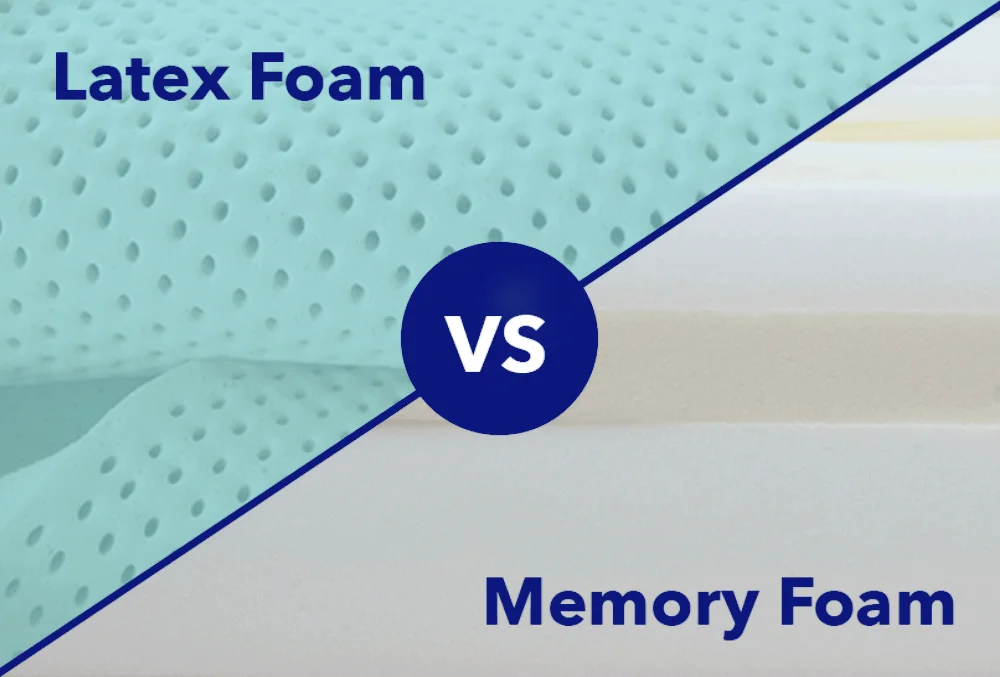
Deciding on the perfect mattress can be tough, especially when you’re faced with the choice between memory foam and latex foam. Both offer unique benefits, but their core differences in feel, performance, and durability can significantly impact your sleep quality.
This guide breaks down the key features of each, helping you determine which material is the best fit for your unique sleep needs and preferences.
Memory Foam: The Hug-Like Comfort
Memory foam, originally developed by NASA, is renowned for its unique ability to contour closely to your body. As you lie down, the material softens and molds to your shape in response to heat and pressure, creating a feeling of being gently cradled. This deep, “sinking in” sensation is the primary reason many people love it.
Key Characteristics
- Pressure Relief: Memory foam excels at providing superior pressure relief. It distributes your body weight evenly, which helps alleviate pain in sensitive areas like the hips and shoulders. This makes it a fantastic choice for side sleepers and those with joint pain.
- Motion Isolation: If you sleep with a partner, memory foam is a game-changer. It absorbs motion incredibly well, so you won’t feel your partner’s movements. This is a huge benefit for light sleepers.
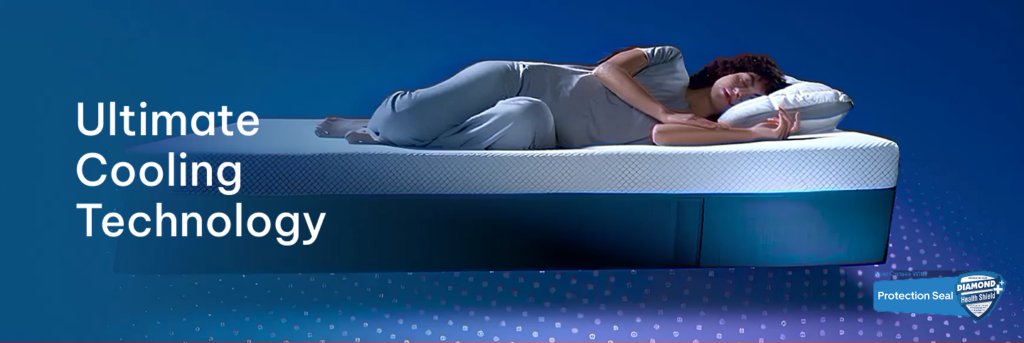
- Temperature: Traditional memory foam can trap body heat, but modern versions often feature open-cell structures, gel infusions, or other cooling technologies to improve airflow and regulate temperature.
Latex Foam: The Bouncy and Responsive Alternative
Latex foam is made from the sap of a rubber tree, though synthetic versions also exist. Unlike memory foam, latex is naturally buoyant and has a springy, responsive feel. Instead of sinking into the mattress, you’ll feel more “on top” of it, with a gentle lift.
Key Characteristics
- Responsiveness & Bounce: Latex is highly responsive, quickly returning to its original shape. This makes it easy to move around, change positions, and get in and out of bed. It’s a great option for combination sleepers who toss and turn throughout the night.
- Temperature Regulation: Latex foam is naturally breathable due to its open-cell structure, which allows air to circulate freely. This helps keep you cool and comfortable all night long, making it a favorite among hot sleepers.
- Durability: Latex is incredibly durable and maintains its shape for many years. While it often has a higher upfront cost, its longevity can make it a worthwhile investment.
- Natural Appeal: For those who prefer natural and eco-friendly products, natural latex is an attractive option.
Direct Comparison: Memory Foam vs. Latex Foam
| Feature | Memory Foam | Latex Foam |
| Feel | A slow, “melting” hug | Buoyant and springy |
| Pressure Relief | Excellent | Very good |
| Movement | Can feel “stuck” | Easy to move and change positions |
| Motion Isolation | Superior | Good |
| Temperature | Can trap heat (improved by cooling tech) | Naturally breathable and cool |
| Durability | Varies by density (medium to high) | Excellent (very high) |
| Price | Wide range (budget to premium) | Generally more expensive |
| Best For | Side sleepers, those with joint pain, couples | Hot sleepers, combination sleepers, people who prefer a firmer feel |
Making Your Final Decision
To find the perfect mattress, consider your unique sleeping habits and preferences:
- If you sleep on your side and frequently experience pressure points in your shoulders or hips, a memory foam mattress can provide the deep contouring you need to relieve that pressure and support spinal alignment.
- If you sleep hot or simply prefer a cooler sleep environment, latex foam’s natural breathability is a significant advantage.
- If you tend to toss and turn or find yourself changing positions often, the quick response of latex foam will make it much easier to move freely without feeling restricted.
- If you have a restless partner, a memory foam mattress’s superior motion isolation will ensure their movements don’t disturb your sleep.
Ultimately, the best way to choose is to test both types if possible. Lie on each mattress for at least 10–15 minutes, paying close attention to how your body feels. Does it feel supported? Is there pressure? Do you feel stuck or free to move? The mattress that provides the perfect balance of comfort and support for you is the one that will deliver a truly restful night’s sleep.